
Retail Therapy with Roberta Flack
Shopping the 1970s Boutique Scene through an Auction of her Estate

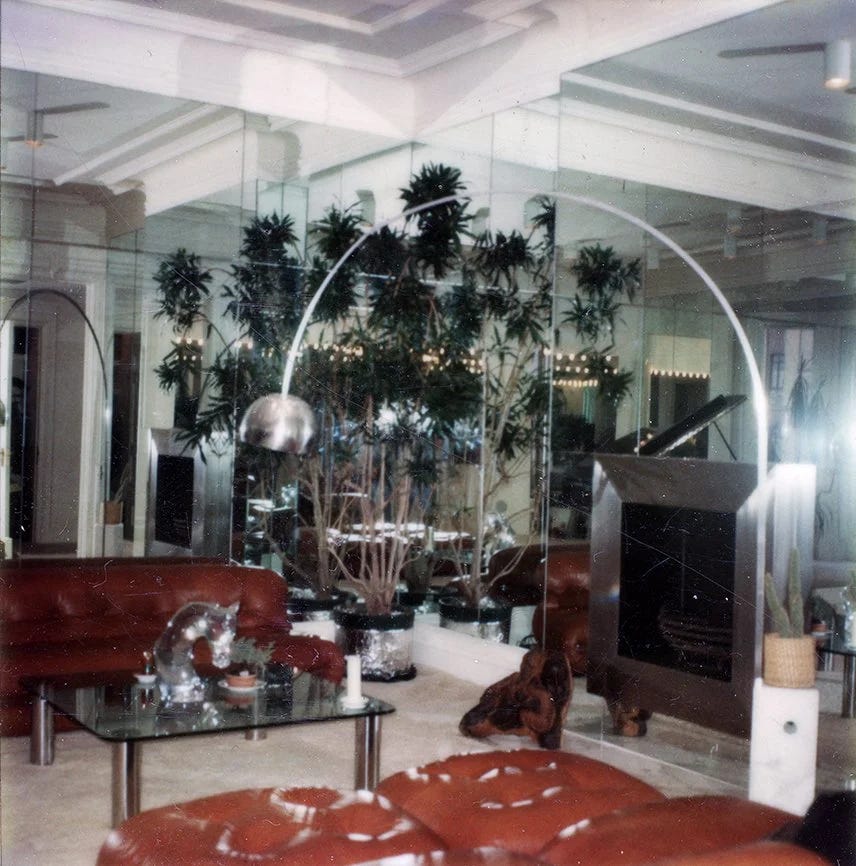
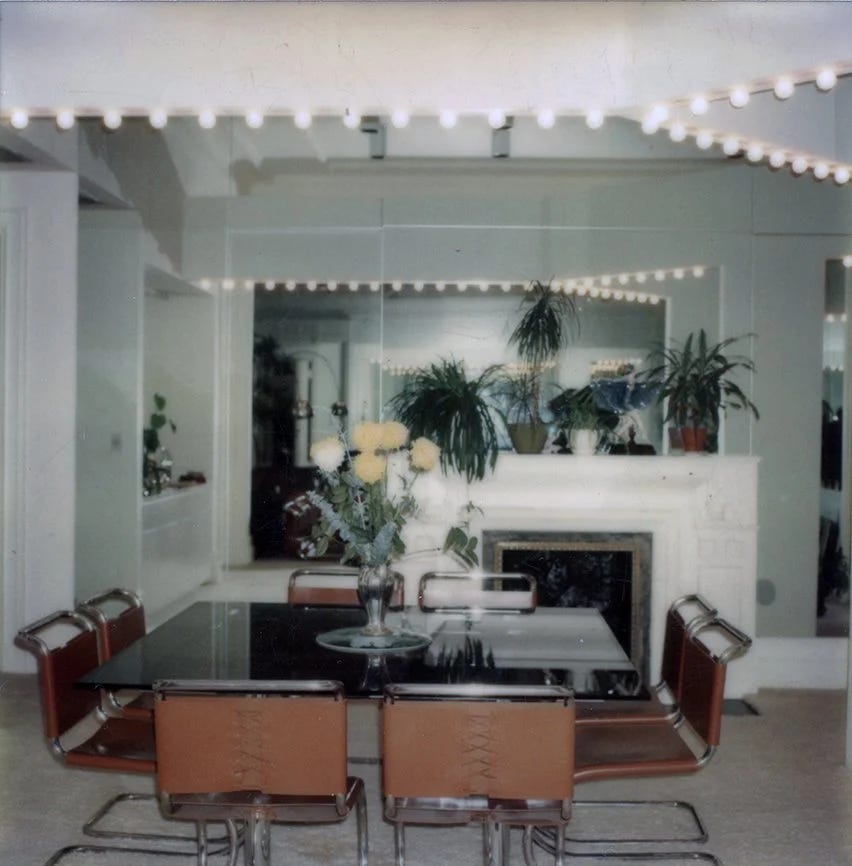
Last week, Julien’s Auctions showcased The Estate of Roberta Flack in an auction featuring more than 500 items from the Grammy-winning American singer and pianist, with all proceeds benefiting “The Roberta Flack Foundation, whose mission is to support children, particularly girls of color, by providing access to music education and mentorship programs, as well as promoting the care and rescue of animals of all kinds.” I have to admit that, before going through the catalogue, I had never thought much about Flack’s personal style. While The Fugees’ cover of “Killing Me Softly” had first made me aware of her, my prior main interest in her was Myron Goldfinger’s mirror-filled renovation of her Dakota apartment—highly controversial in some circles, as much of the original detailing was removed, but the finished space was incredibly chic. I’d never stopped to consider whether her taste in interior design translated to fashion, but, wow, yes, it did.
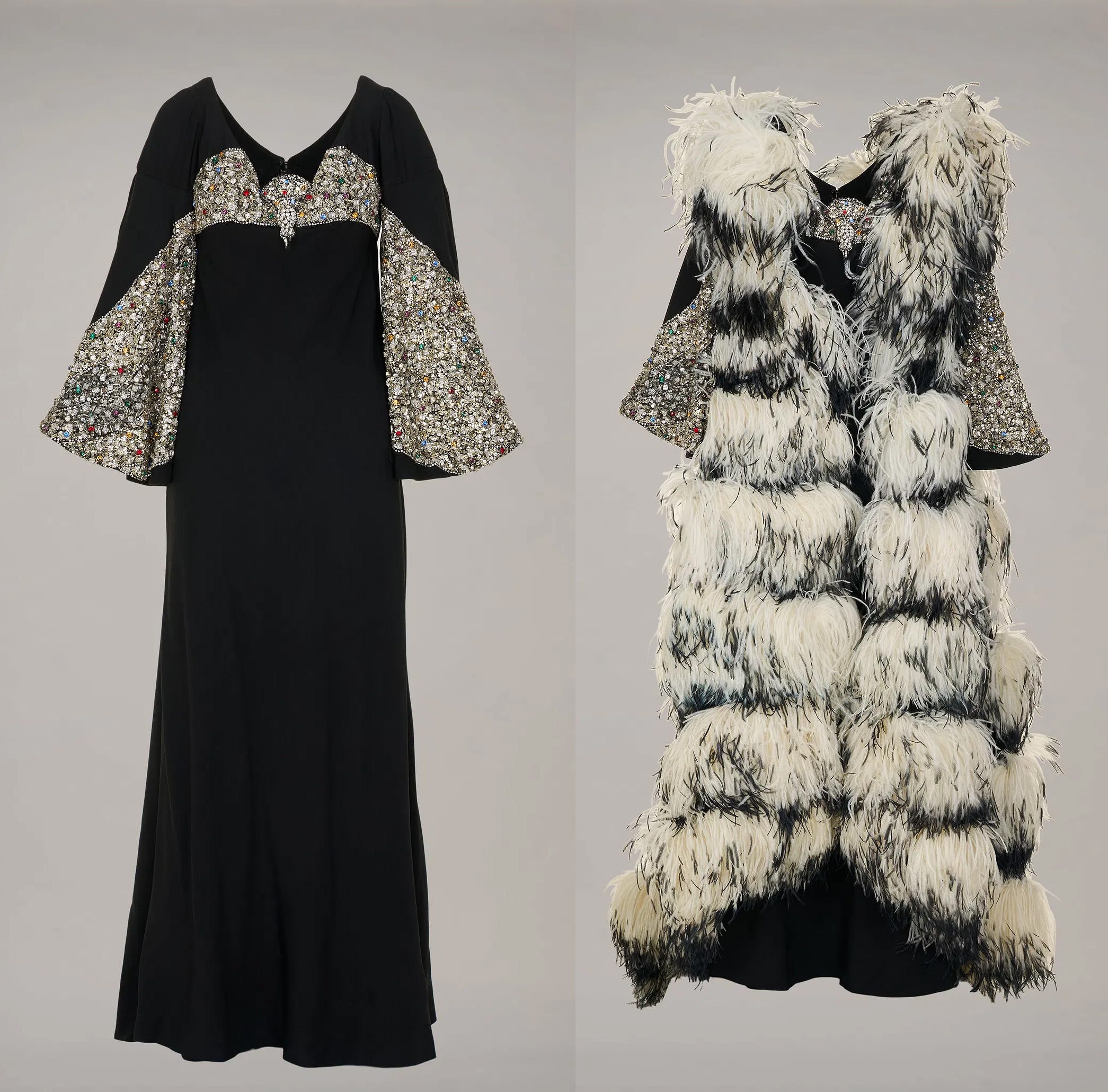
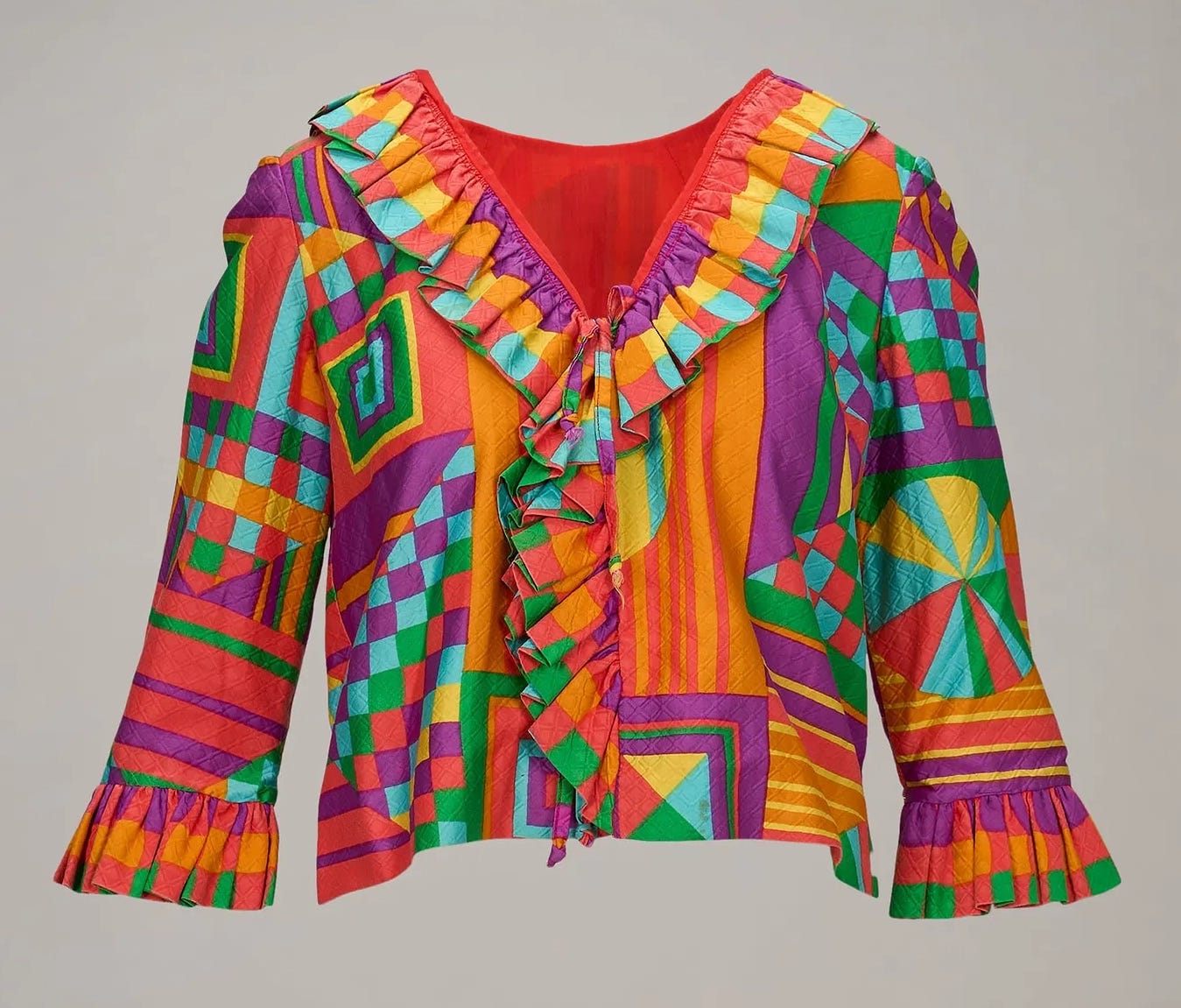
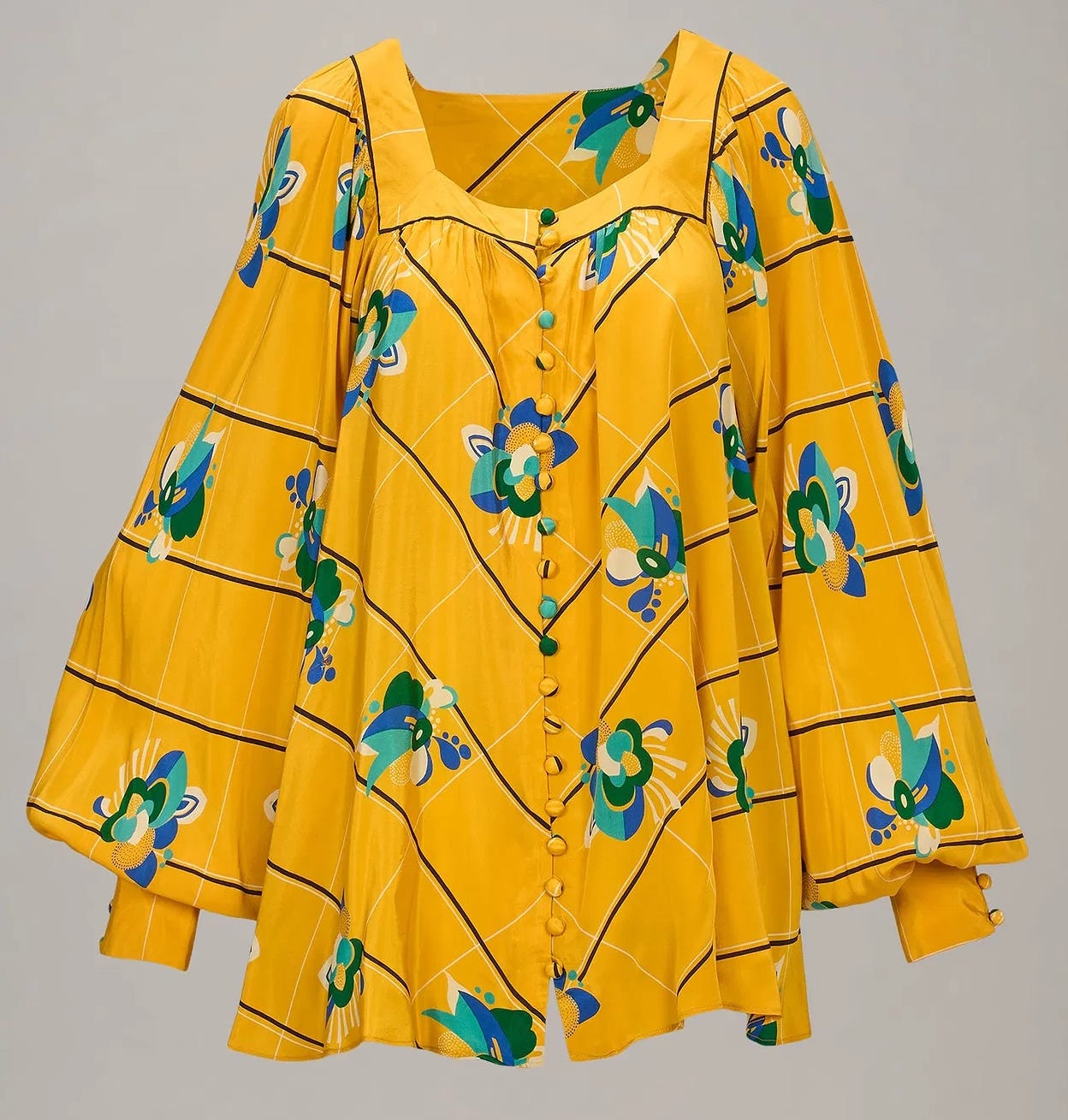
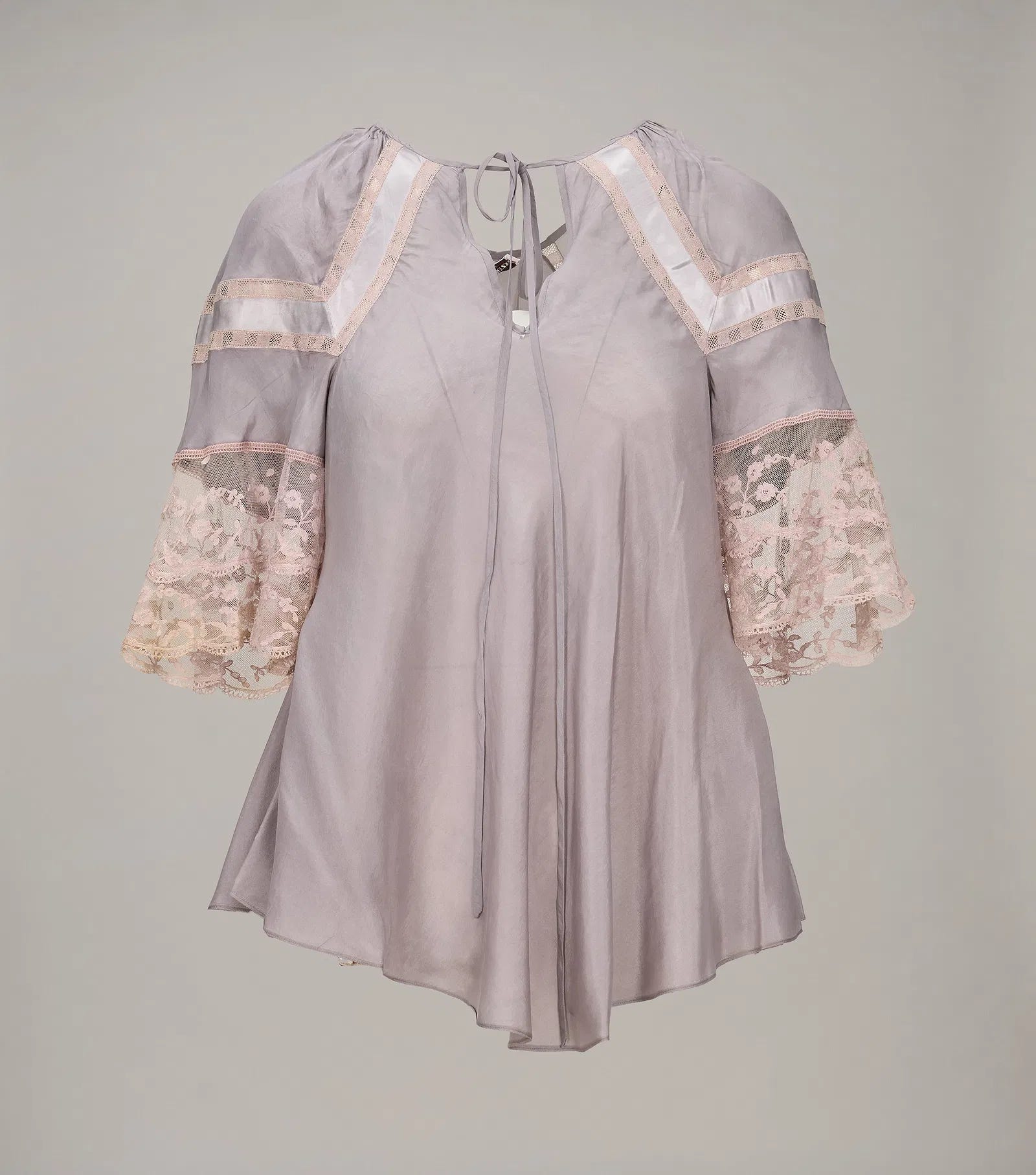
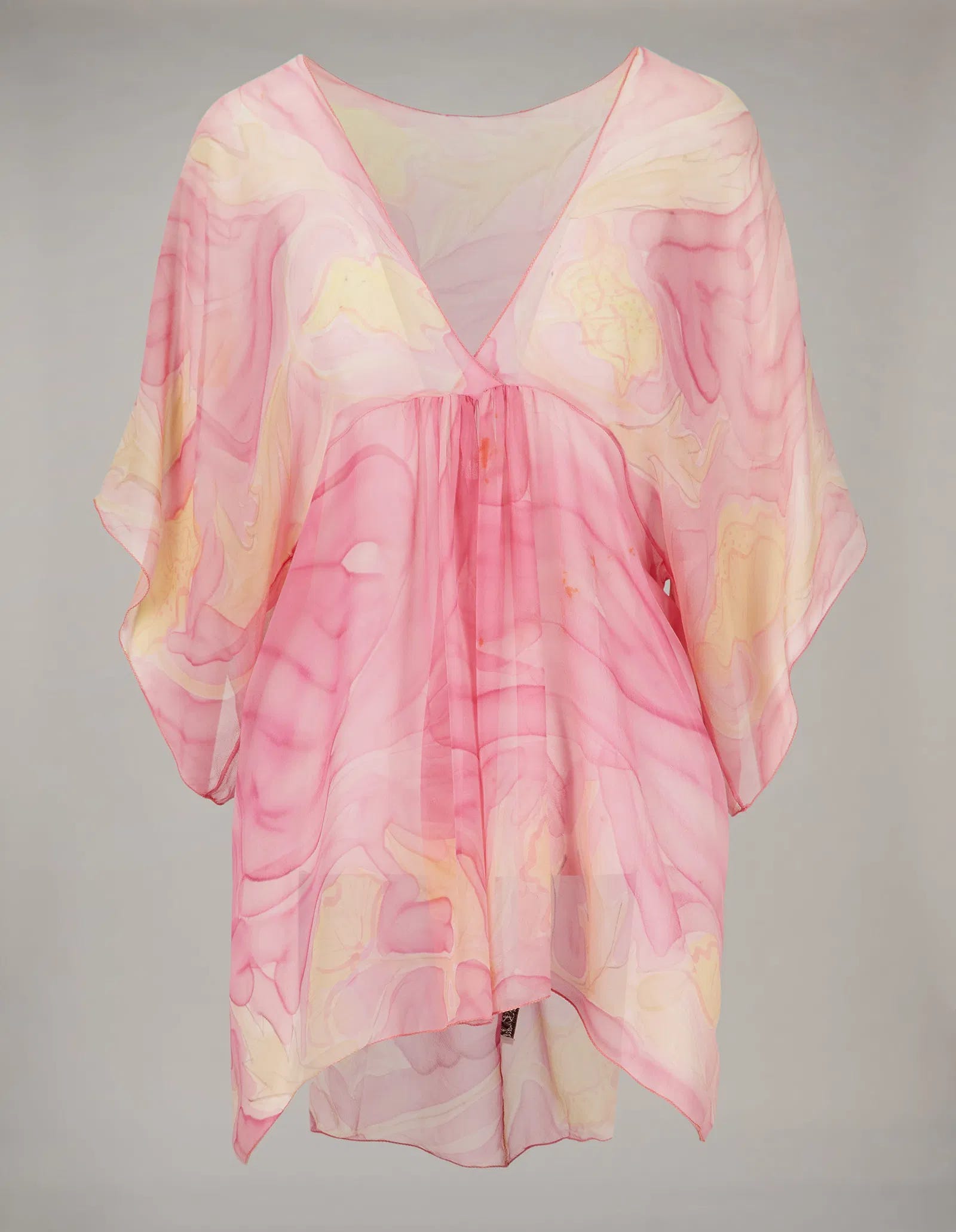
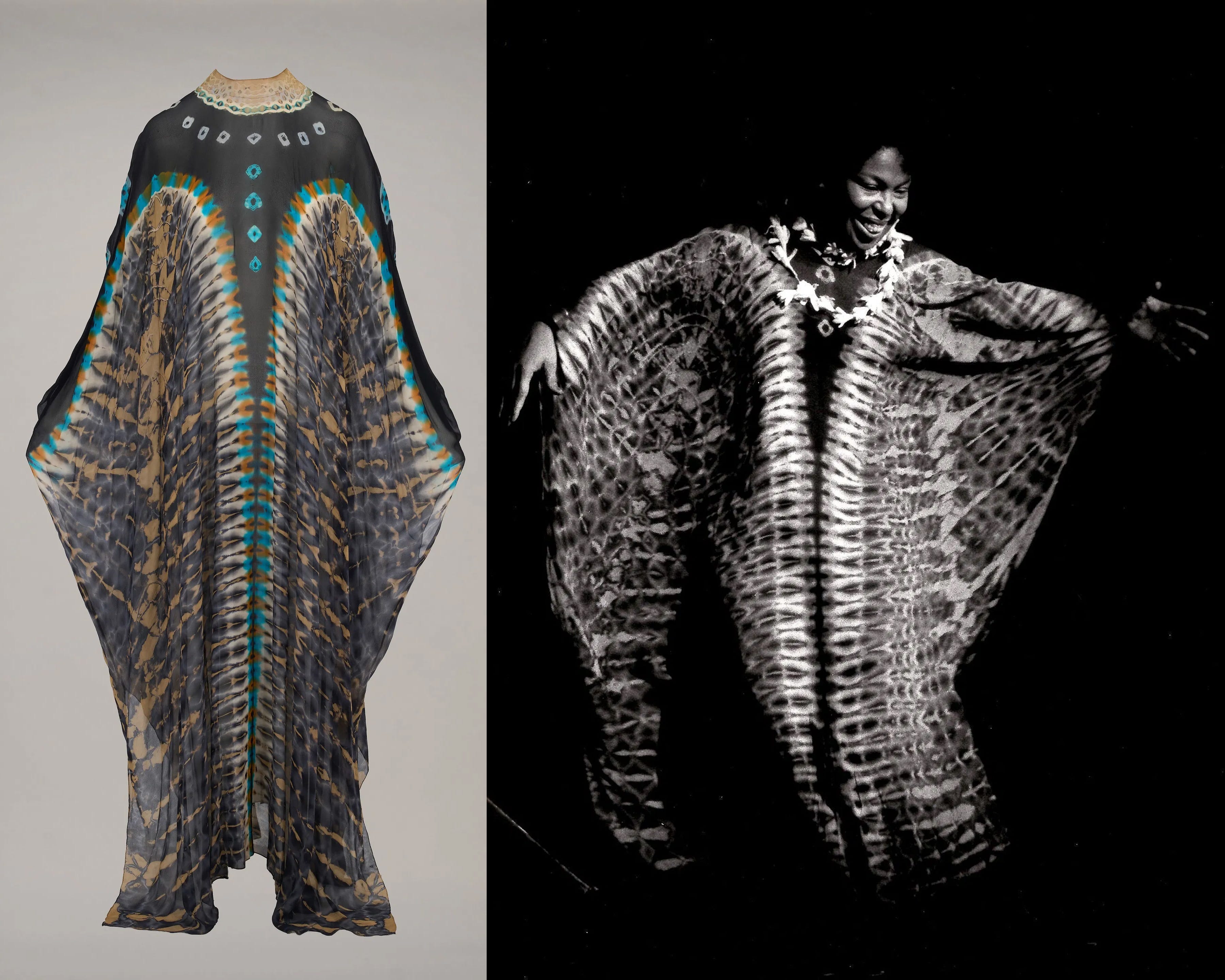
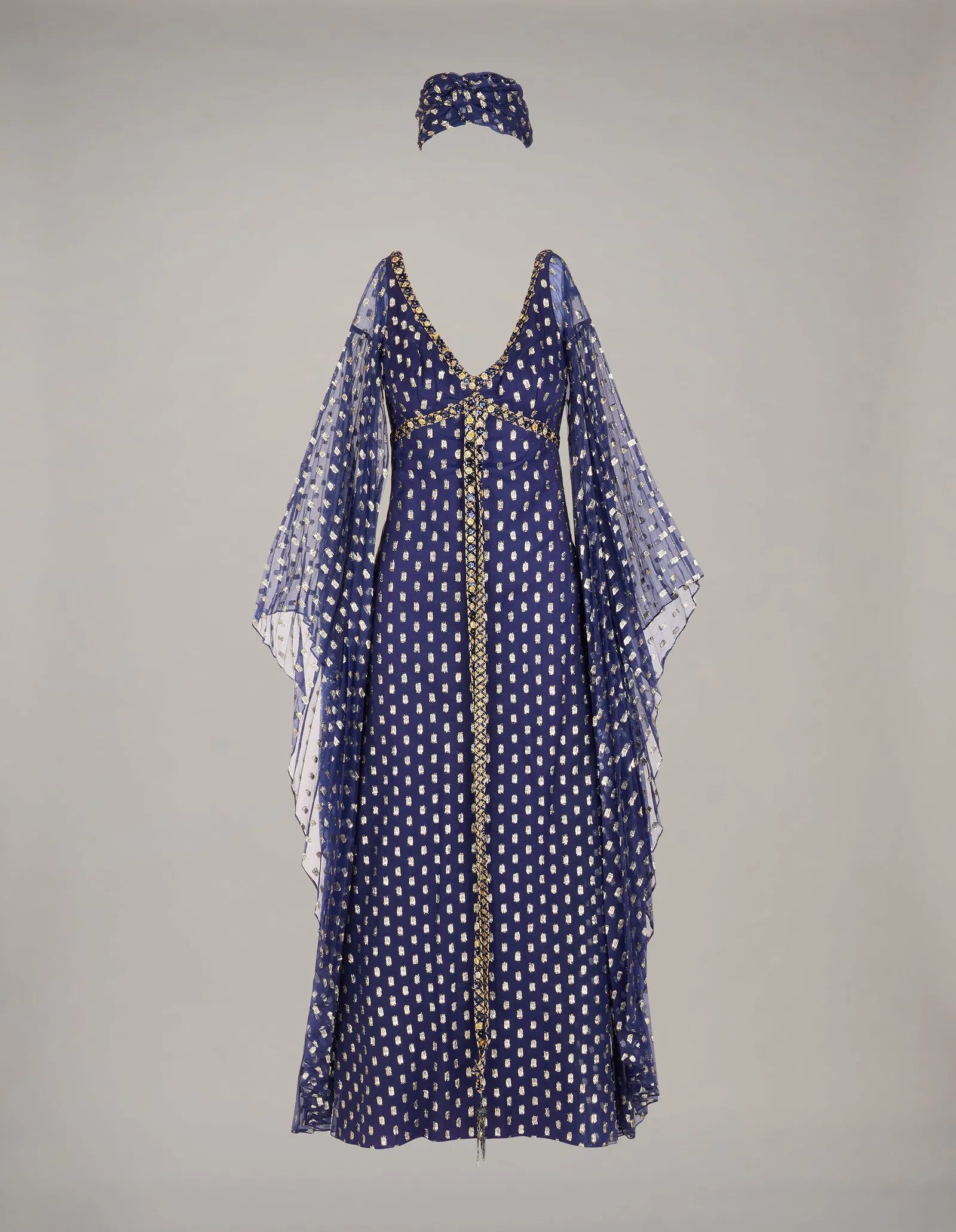
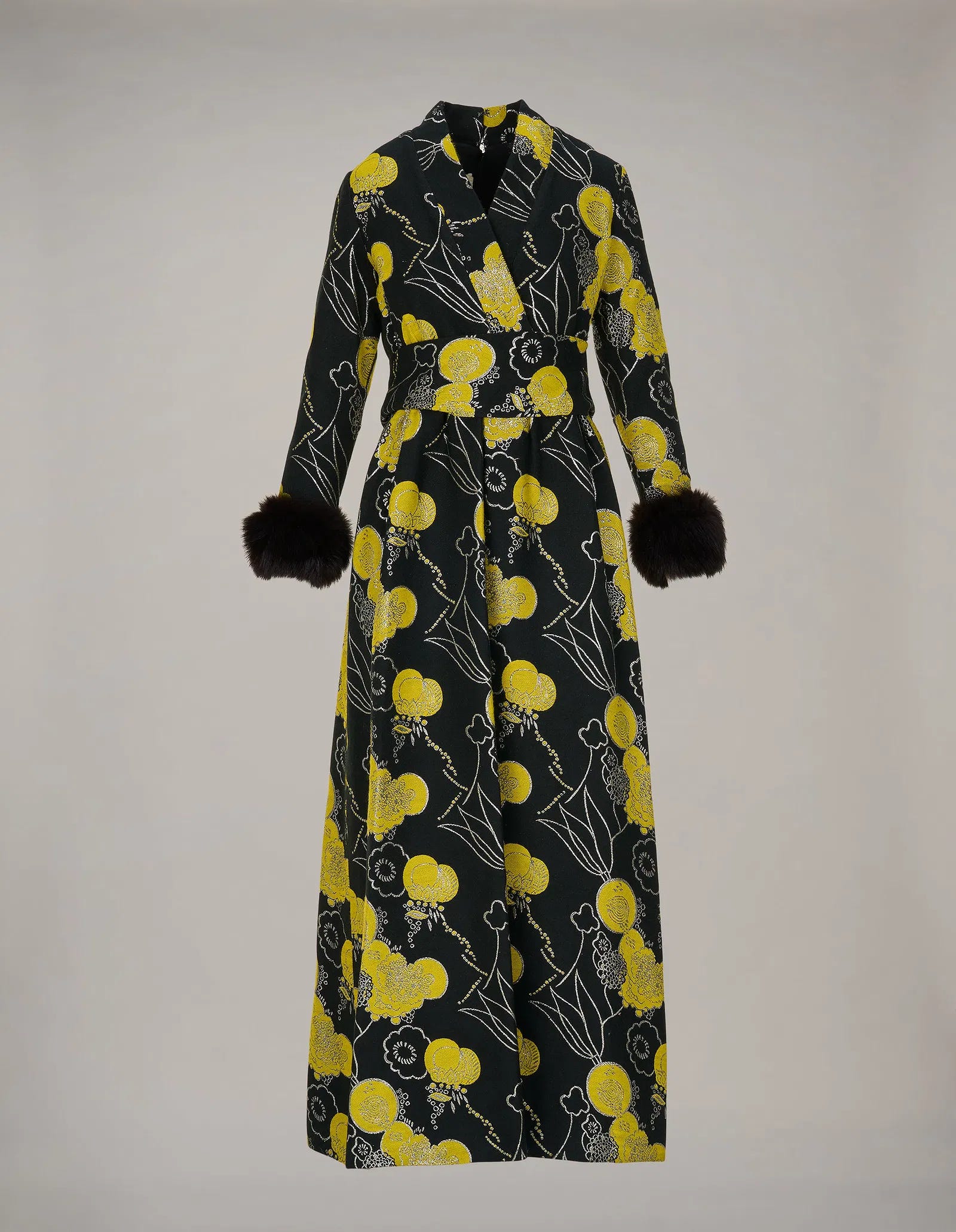
Of the five hundred lots, 102 are clothing items and 25 accessories, ranging in date from the late 1960s to the ensemble she wore for the 2020 Grammy Awards, when she received the Recording Academy’s Lifetime Achievement Award. I’m going to focus here on the 1970s, as it is both my main era of fashion interest and also the period where her fame and unique clothing were at their height. The auction featured many lots of stage clothes—totally over-the-top, sparkling, fur-trimmed, bedazzled gowns—as well as many less ostentatious, though no less interesting, garments that appear to have played dual roles, working both on stage and in real life. Though less “stage-worthy” (i.e., fewer sparkles), there are often photos of Roberta wearing these other garments to perform or for press images. What connects this group of garments is the softness of the silhouettes, the ease and comfort of wear, and their generally simple-to-care-for fabrics—all of which would make them much easier to travel with and handle than the often-imposing stage clothes.
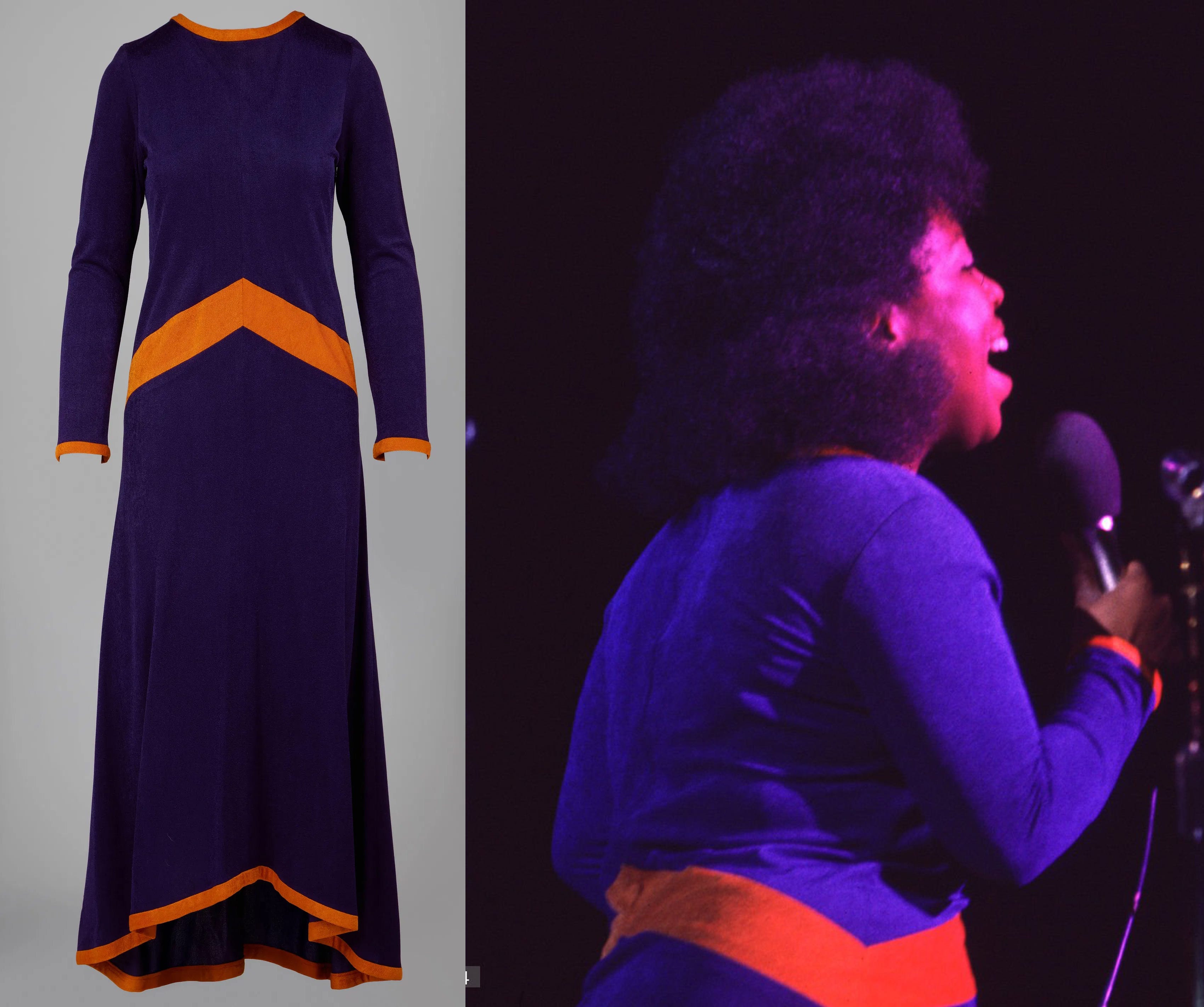
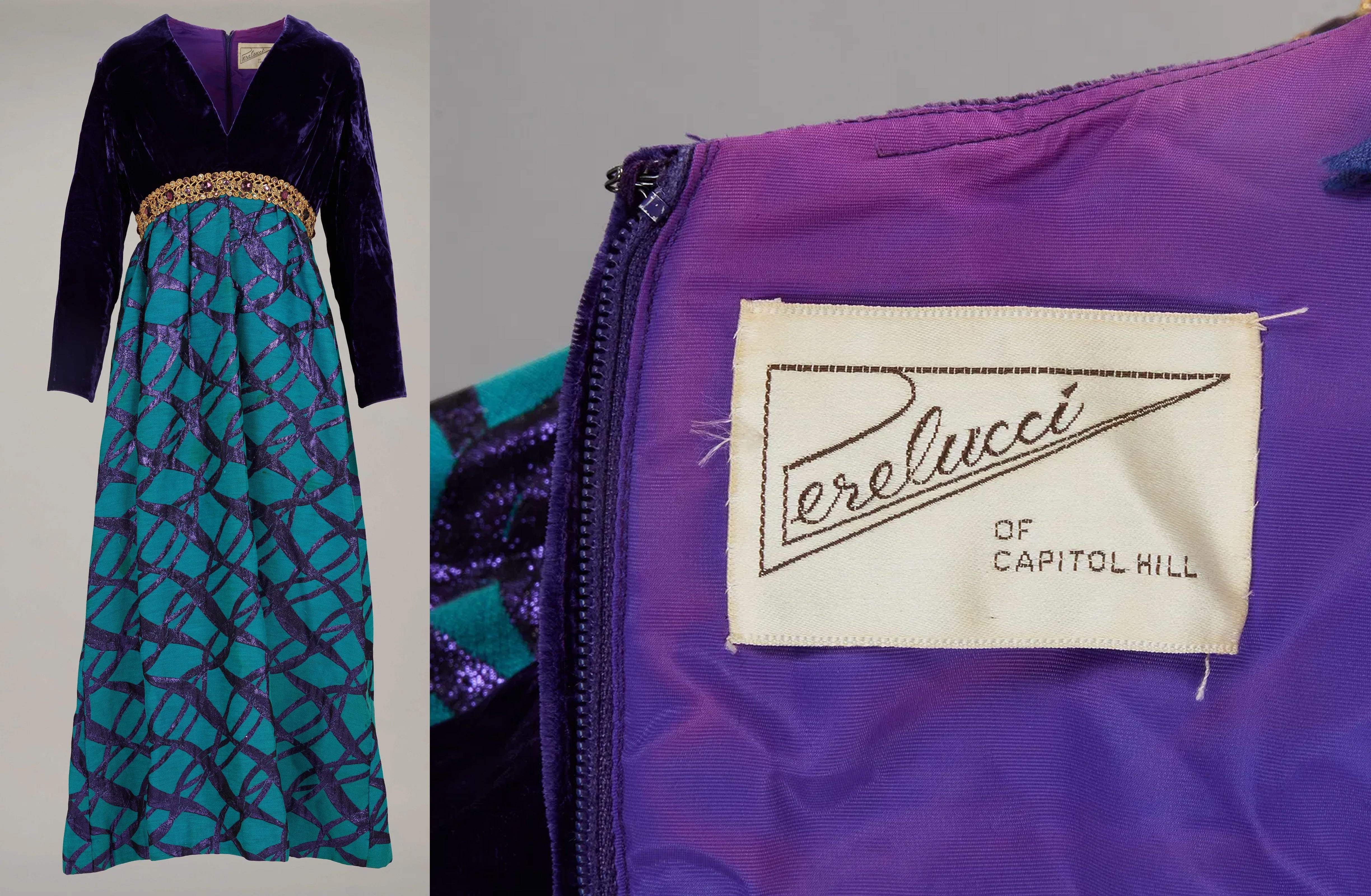
Another thing that connects them, and which I find most fascinating, is their origin. Unlike the stage clothes—most of which are unlabeled and likely made for Roberta by costume designers, dressmakers, and custom salons at department stores—the rest of her wardrobe is heavily weighted toward what was called “boutique fashion” at the time. This broad term covered smaller designers who sold their goods in their own boutiques or in boutique sections of high-end specialty shops. Before purchasing her apartment in The Dakota in 1975, Flack was living in a fantastic mid-century modern, Charles Goodman-designed home in the Hollin Hills neighbourhood of Alexandria, Virginia (it’s currently for sale for $1,890,000). While she appears to have done much of her recording at home, Flack was likely spending quite a bit of time in Manhattan, recording TV appearances and doing press. As many of her items can be dated through photographs, we know that she likely picked them up while on trips to NYC; she also appears to have shopped in Washington, D.C., and on the road during this period. Two D.C. store labels that pop up on her garments are “Pasternak,” a women’s specialty store on Connecticut Avenue that was sold to Saks Fifth Avenue in 1963 and closed in 1970 (it’s now a nightclub), and “Perelucci of Capitol Hill,” which was a high-end fashion store that operated from 1968 to 1981.
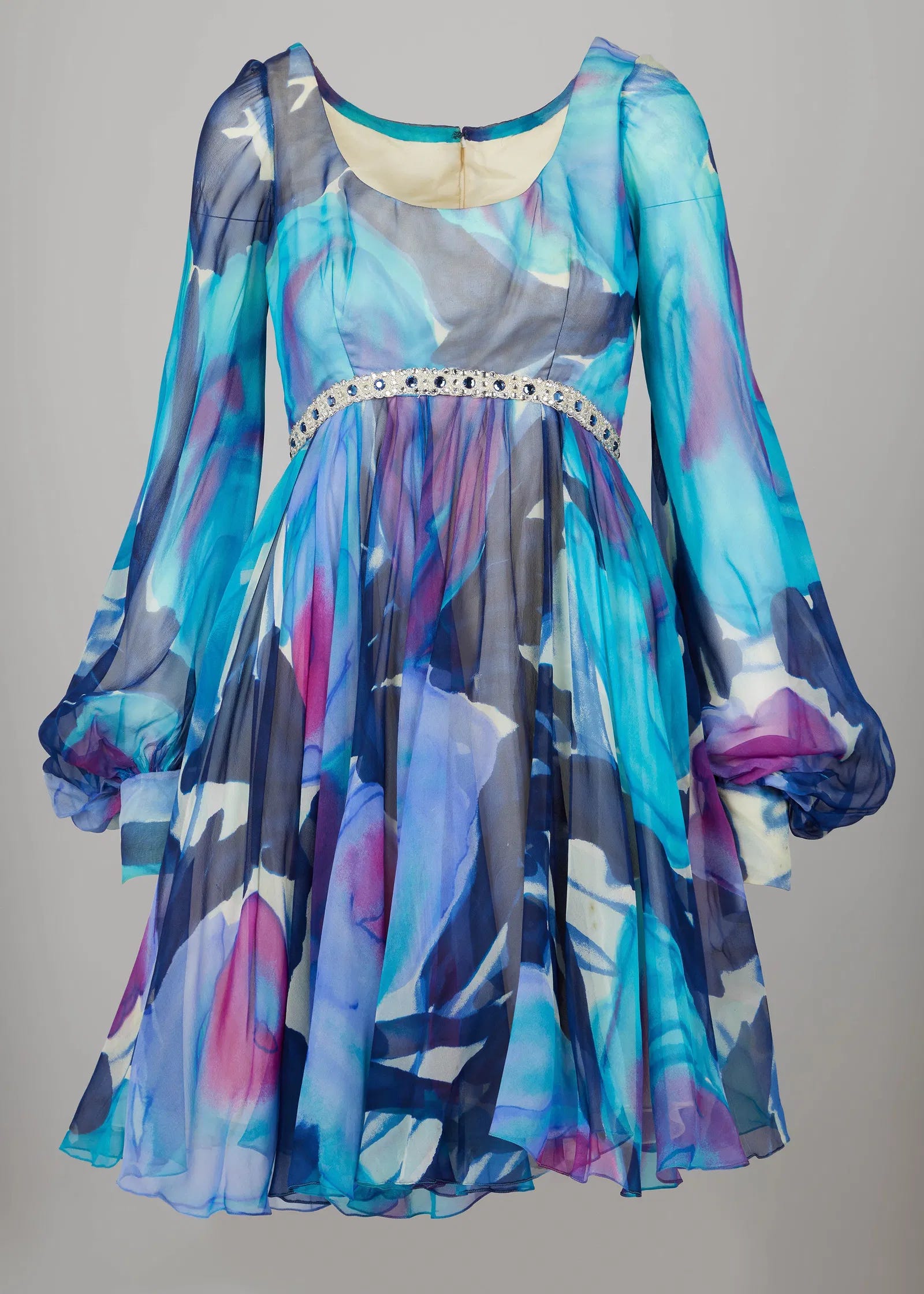
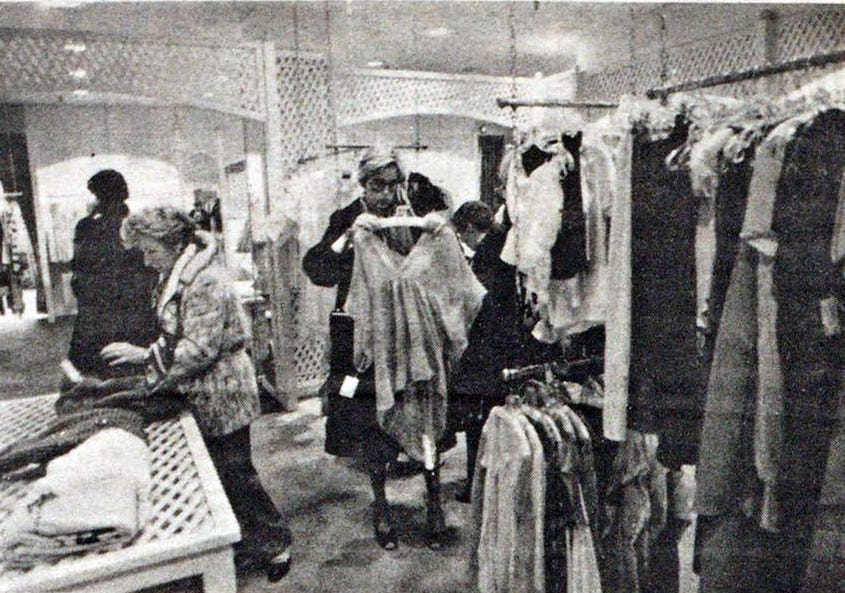
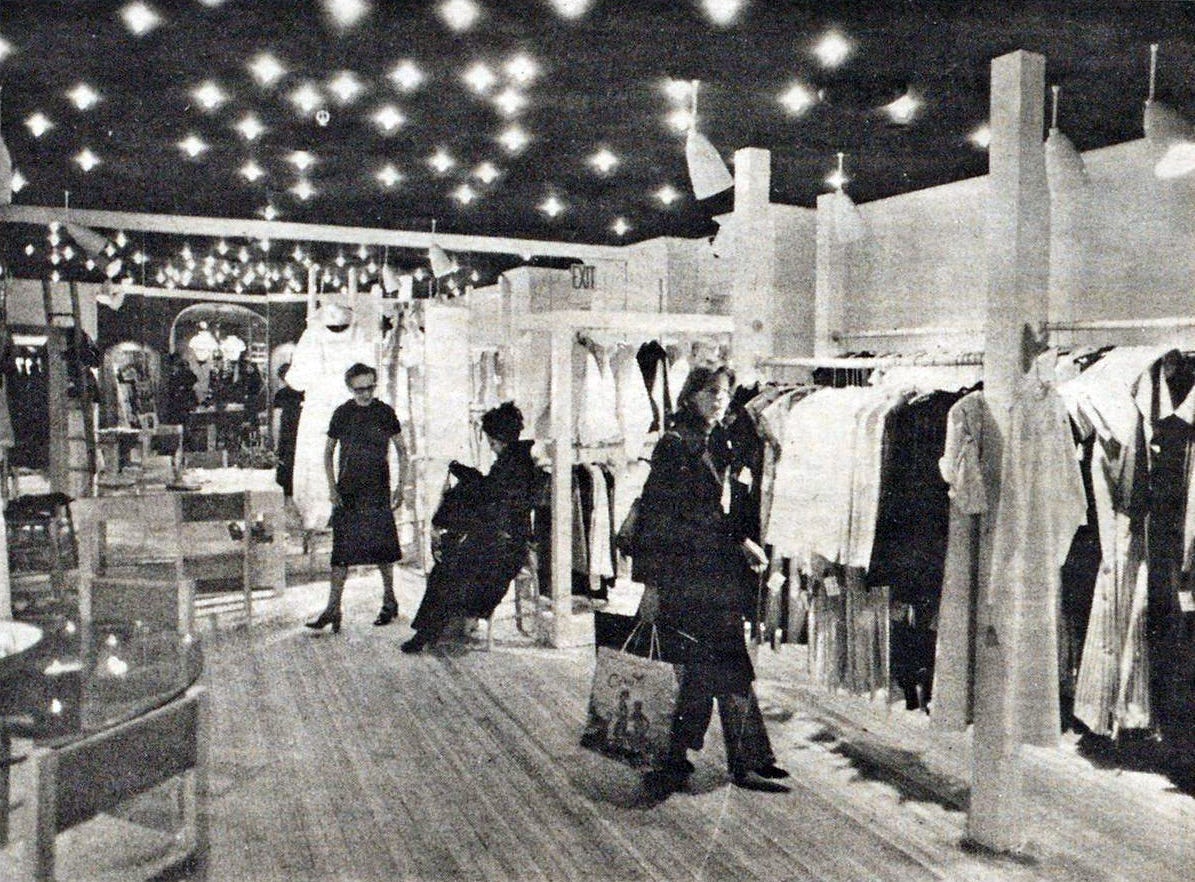
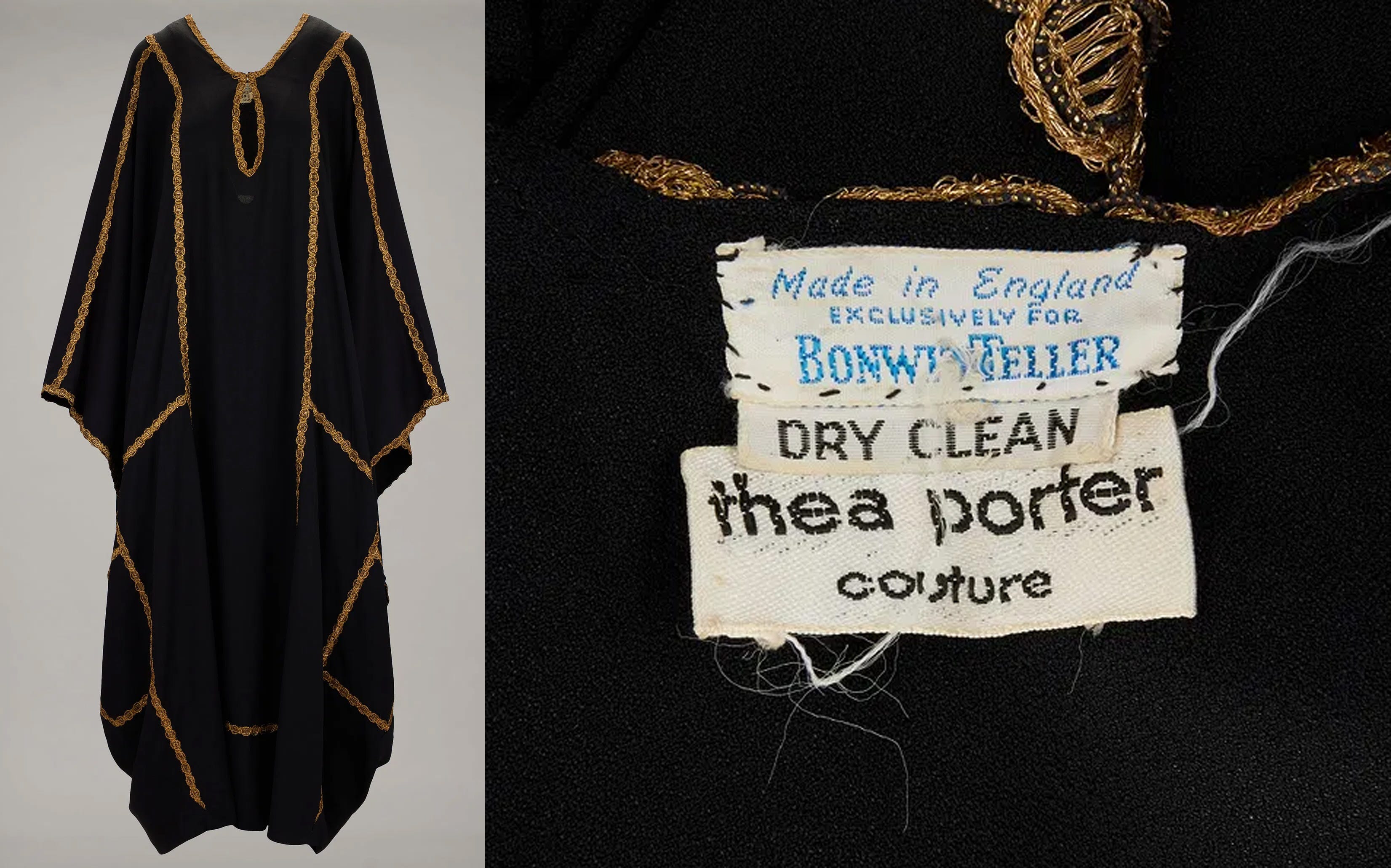
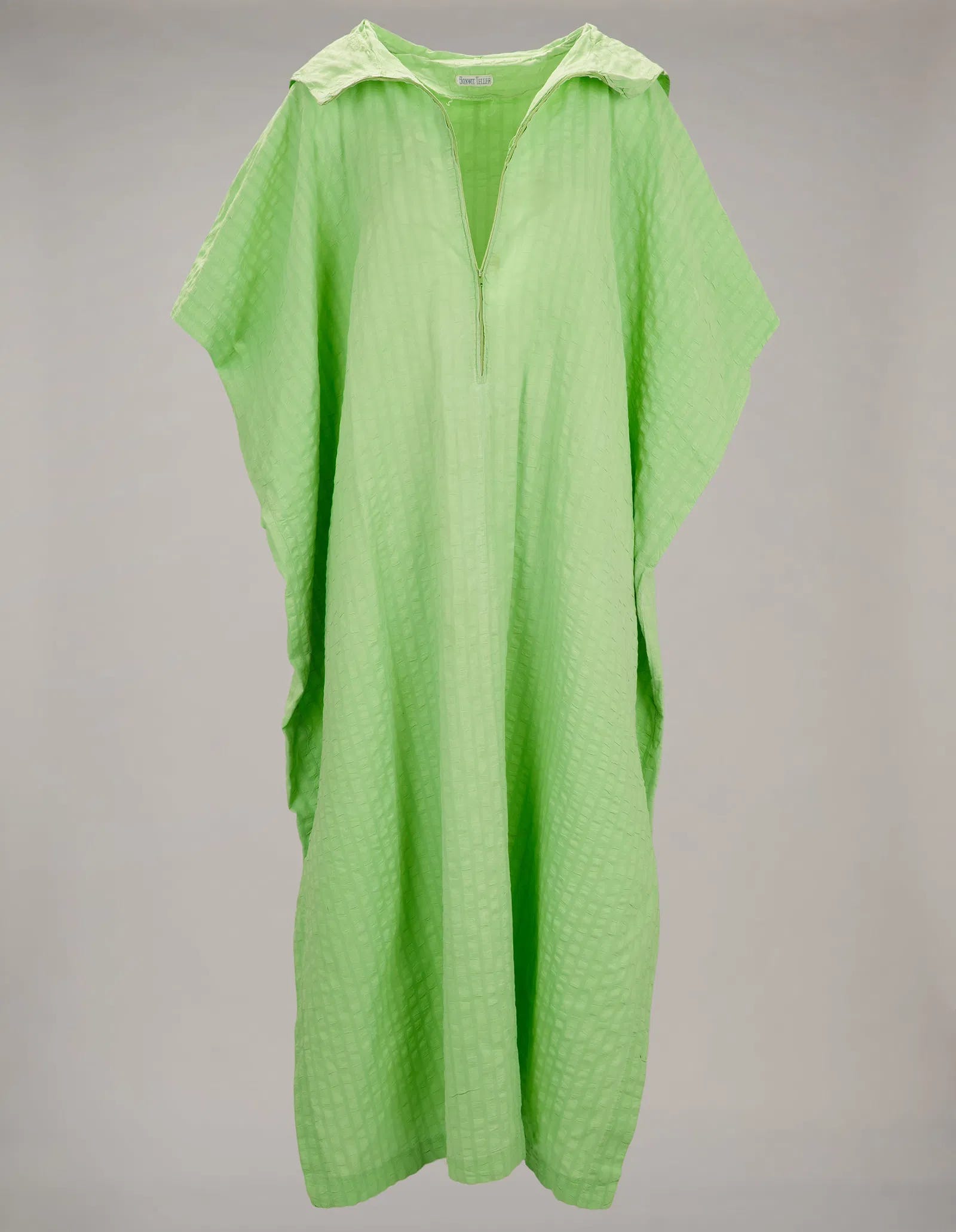
The stores with the highest number of appearances in her auction wardrobe are “Henri Bendel” and “Bonwit Teller,” both luxury stores then at the peak of their sartorial influence under the aegis of power retailers Geraldine Stutz and Mildred Custin, respectively (Custin retired in 1970, but the designers she launched and the fashion focus she created were still very much ongoing into the decade). I love to think of Roberta Flack strolling down Fifth Avenue and hitting up Bergdorf Goodman (58th Street), Henri Bendel (57th Street), and Bonwit Teller (56th Street), picking up a dress here, a caftan there.
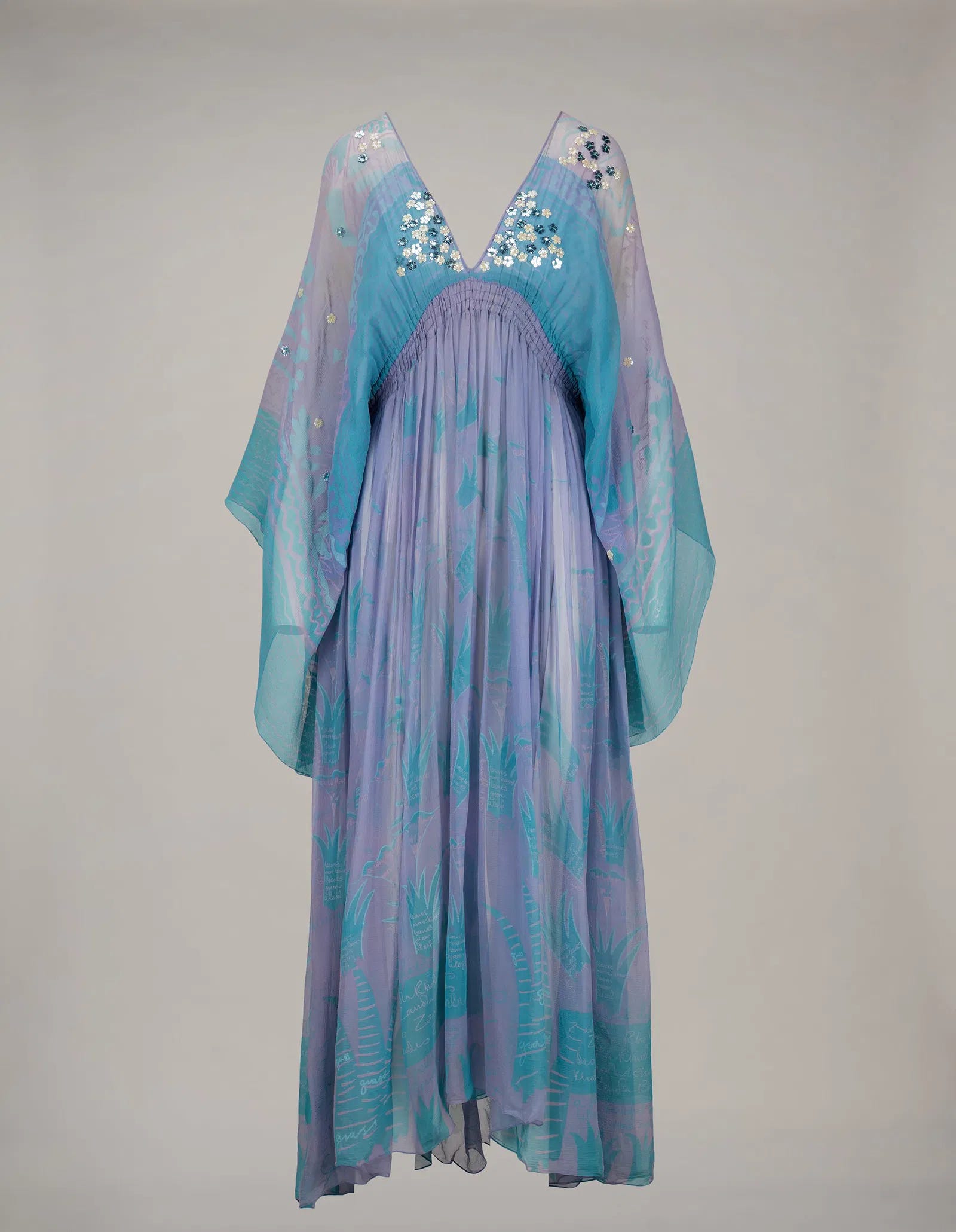
Roberta Flock’s closet just feels very representative of what a cool woman with cash might be shopping for in the Seventies, if she wasn’t interested in the more staid WASPy or European styles out there. There is some vintage, some high-end American designers (Oscar de la Renta), a little European ready-to-wear (Thea Porter, Chloe, Pablo & Delia), and lots of young, interesting, NYC-based designers.
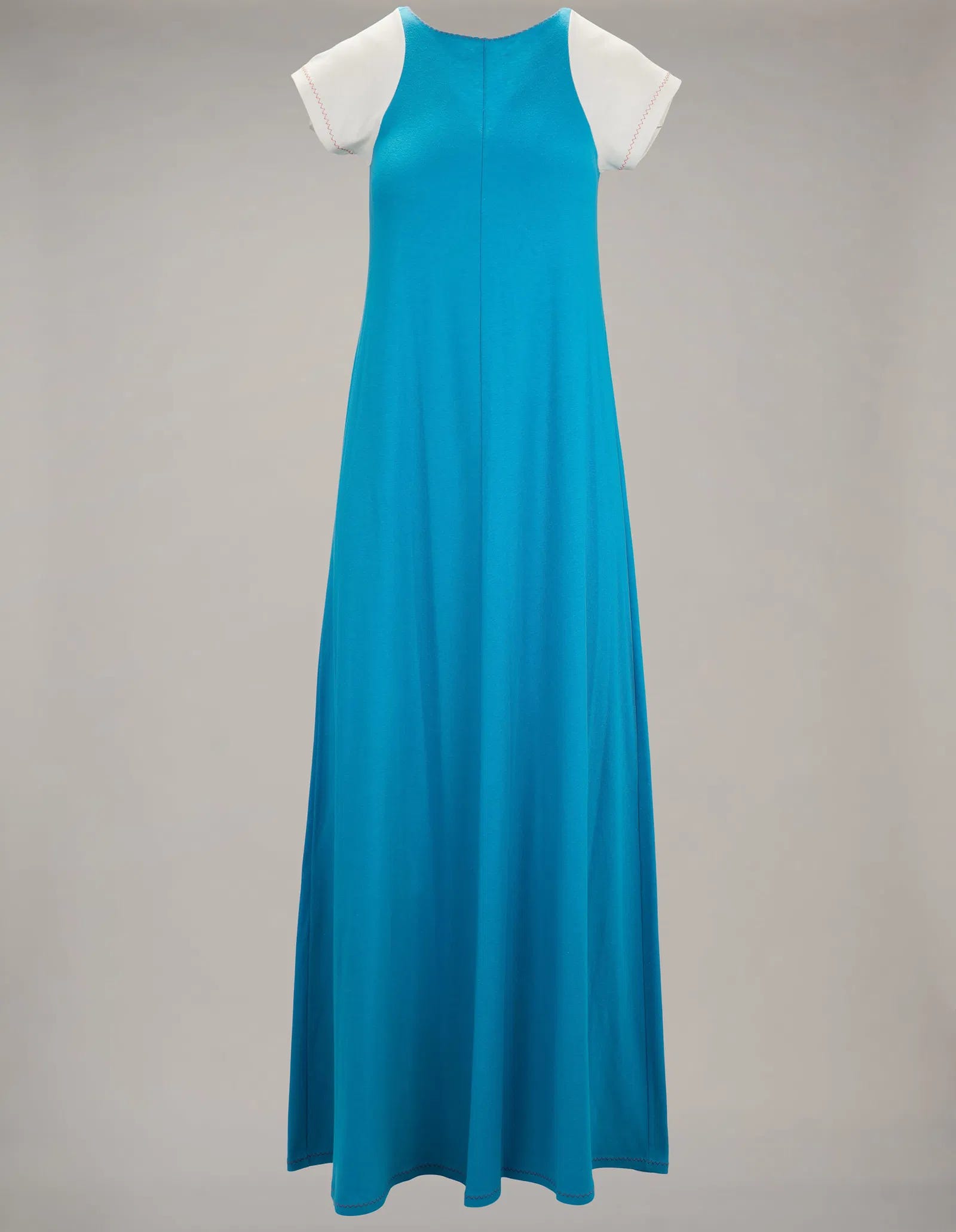
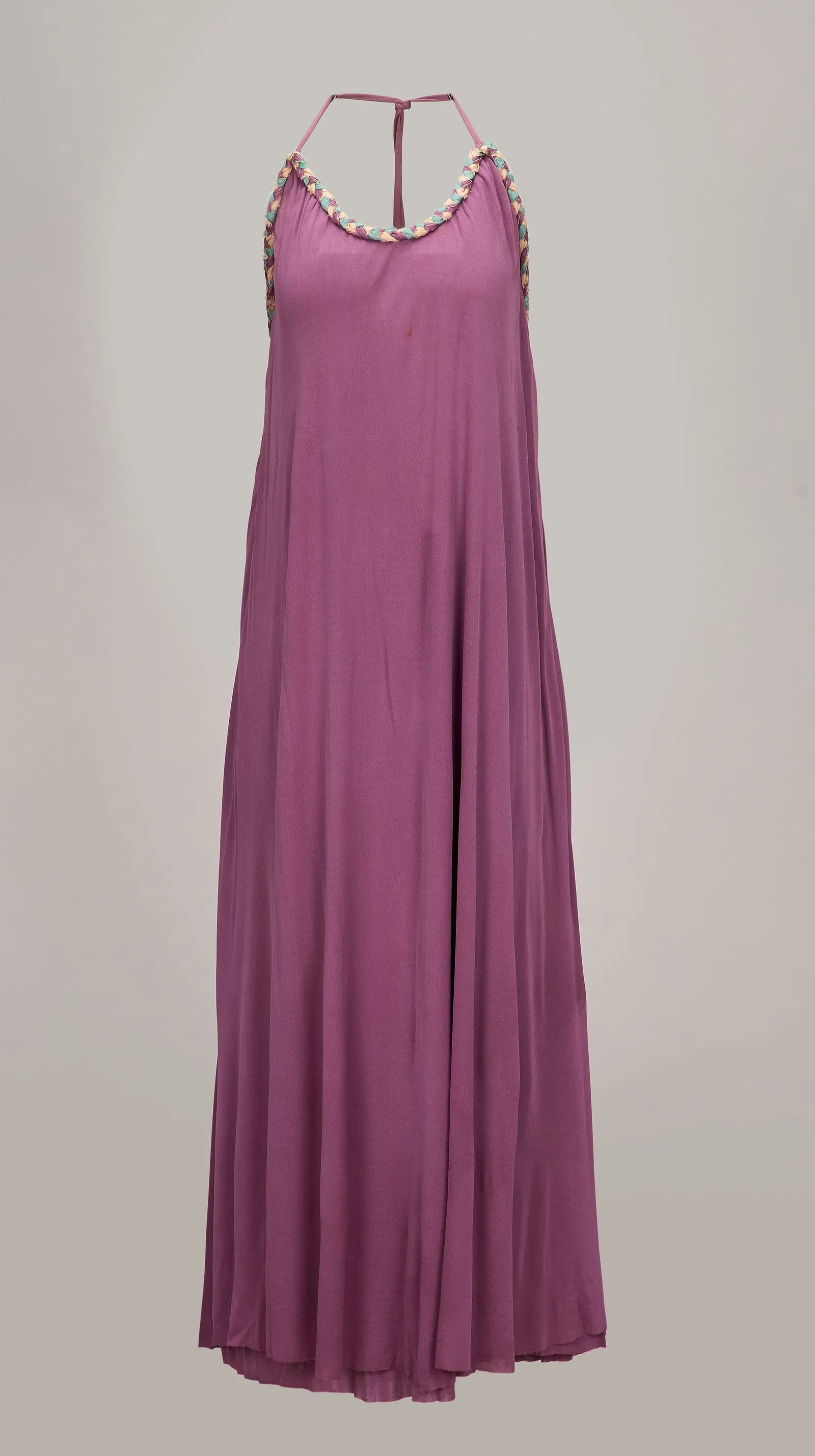
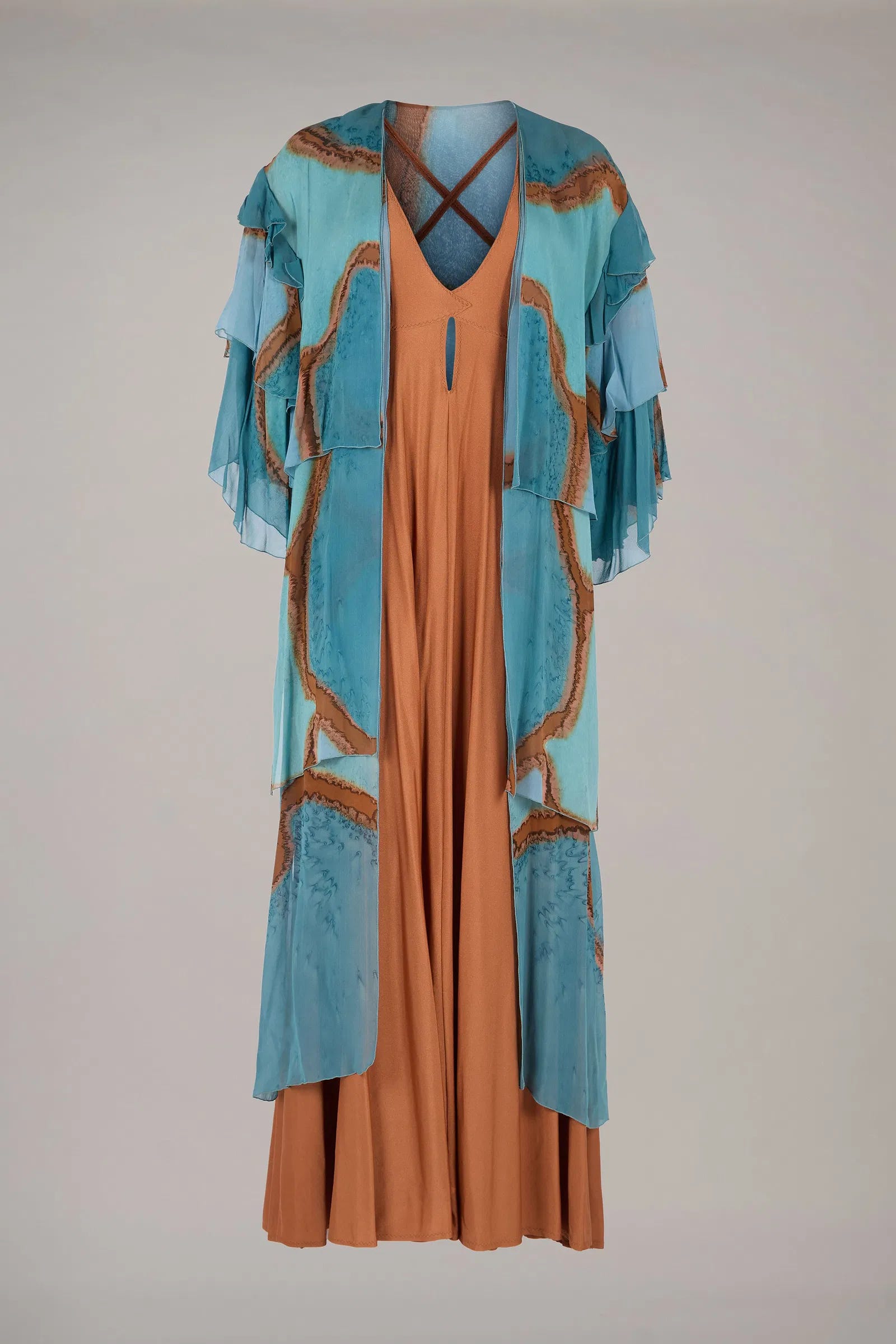
Roberta Flack’s “boutique” fashions:
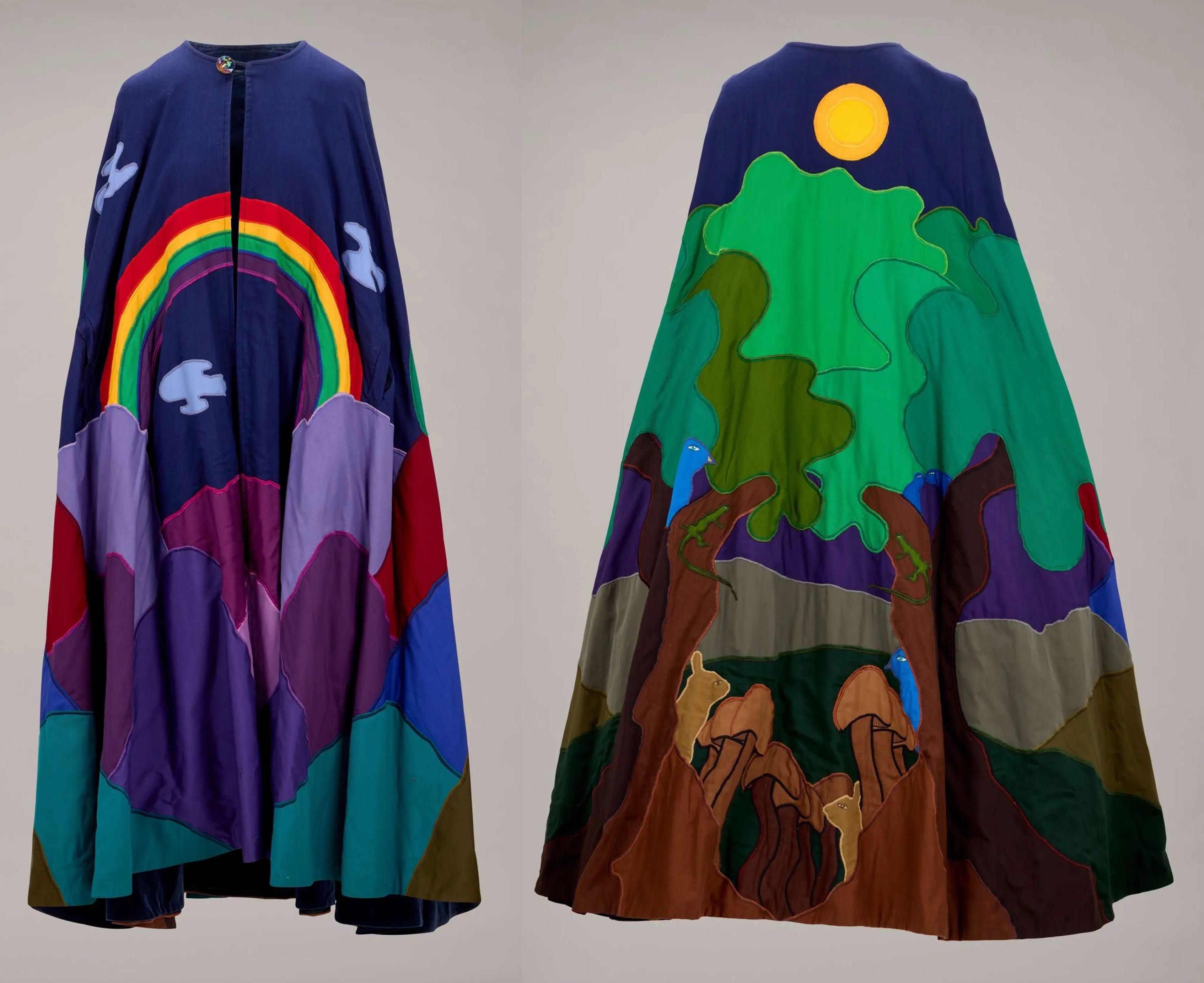
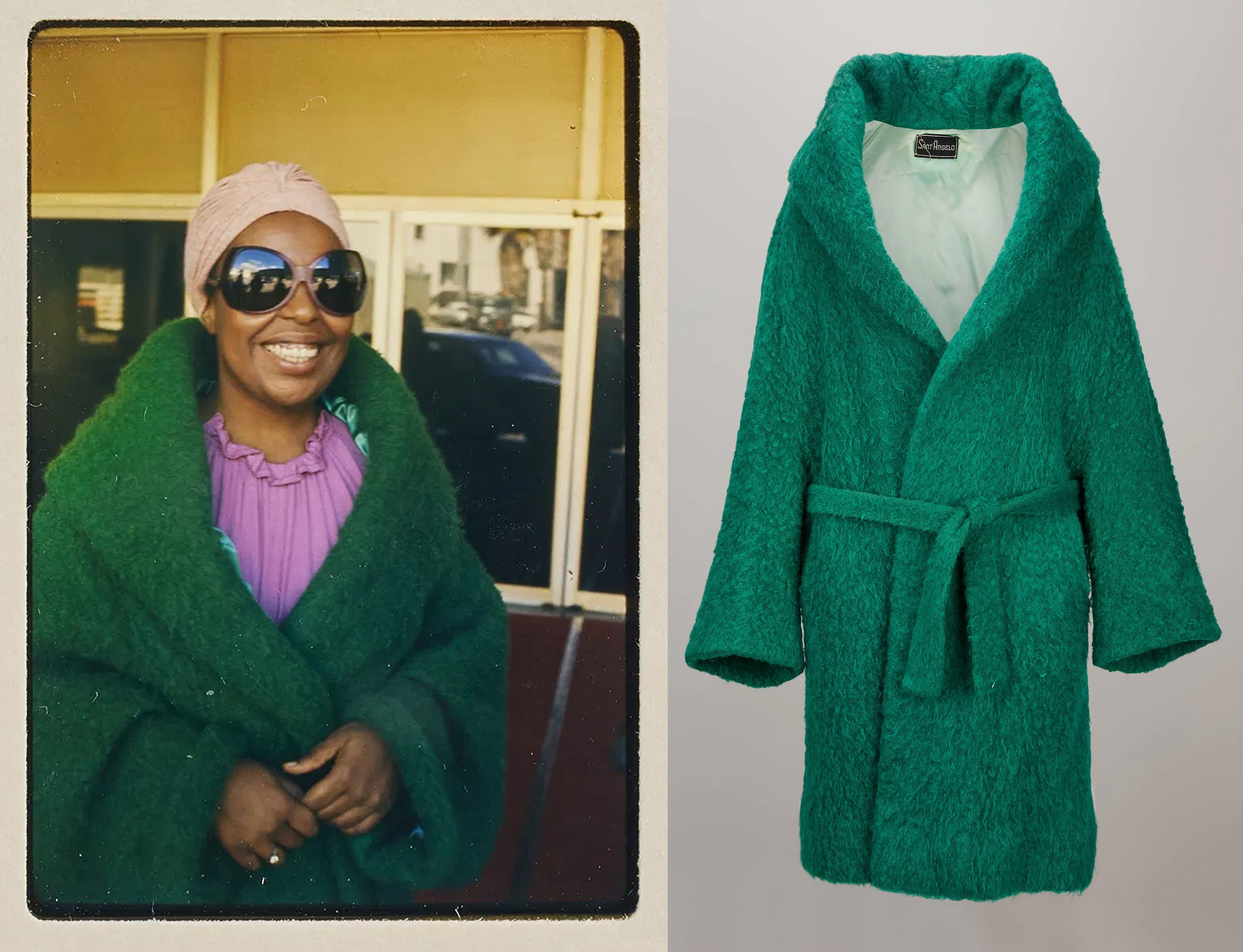
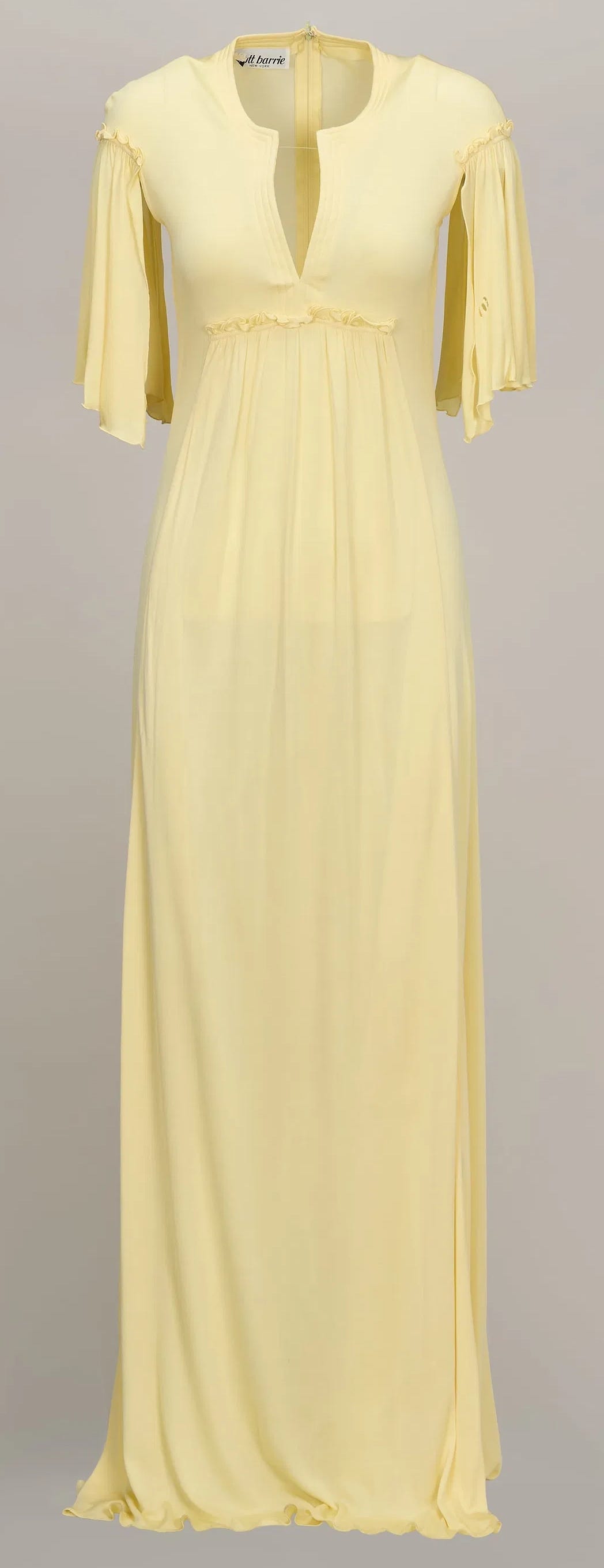
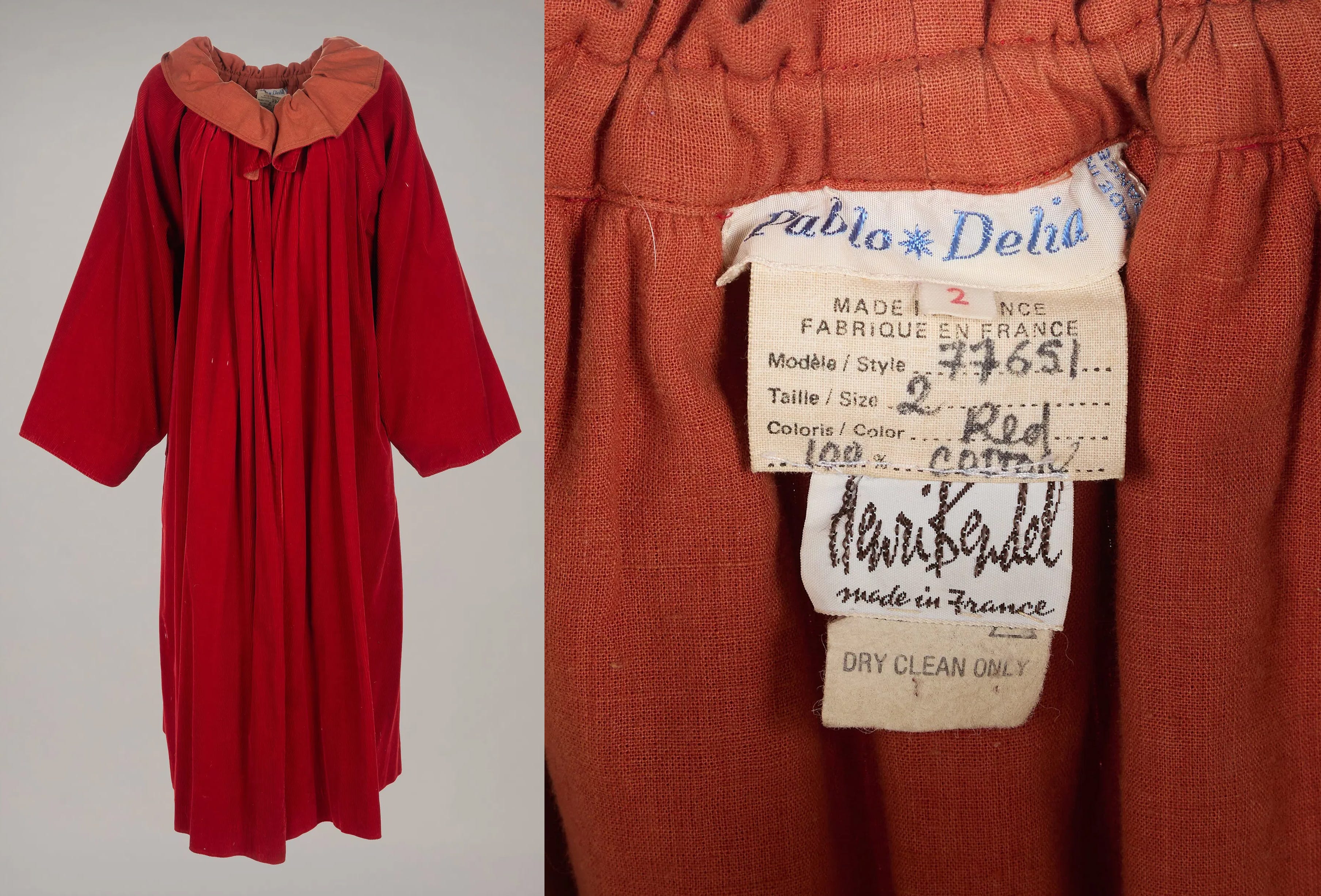
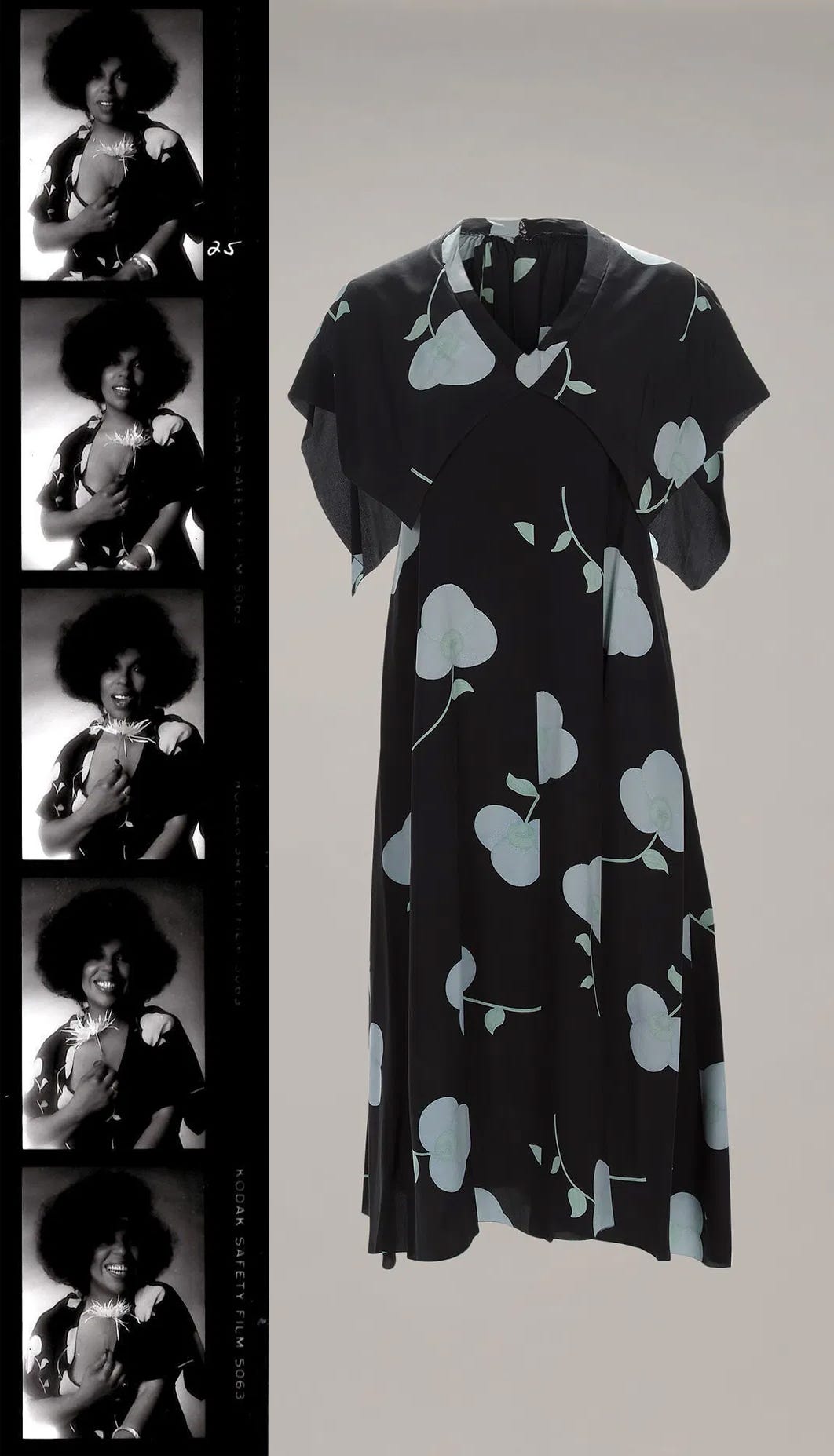
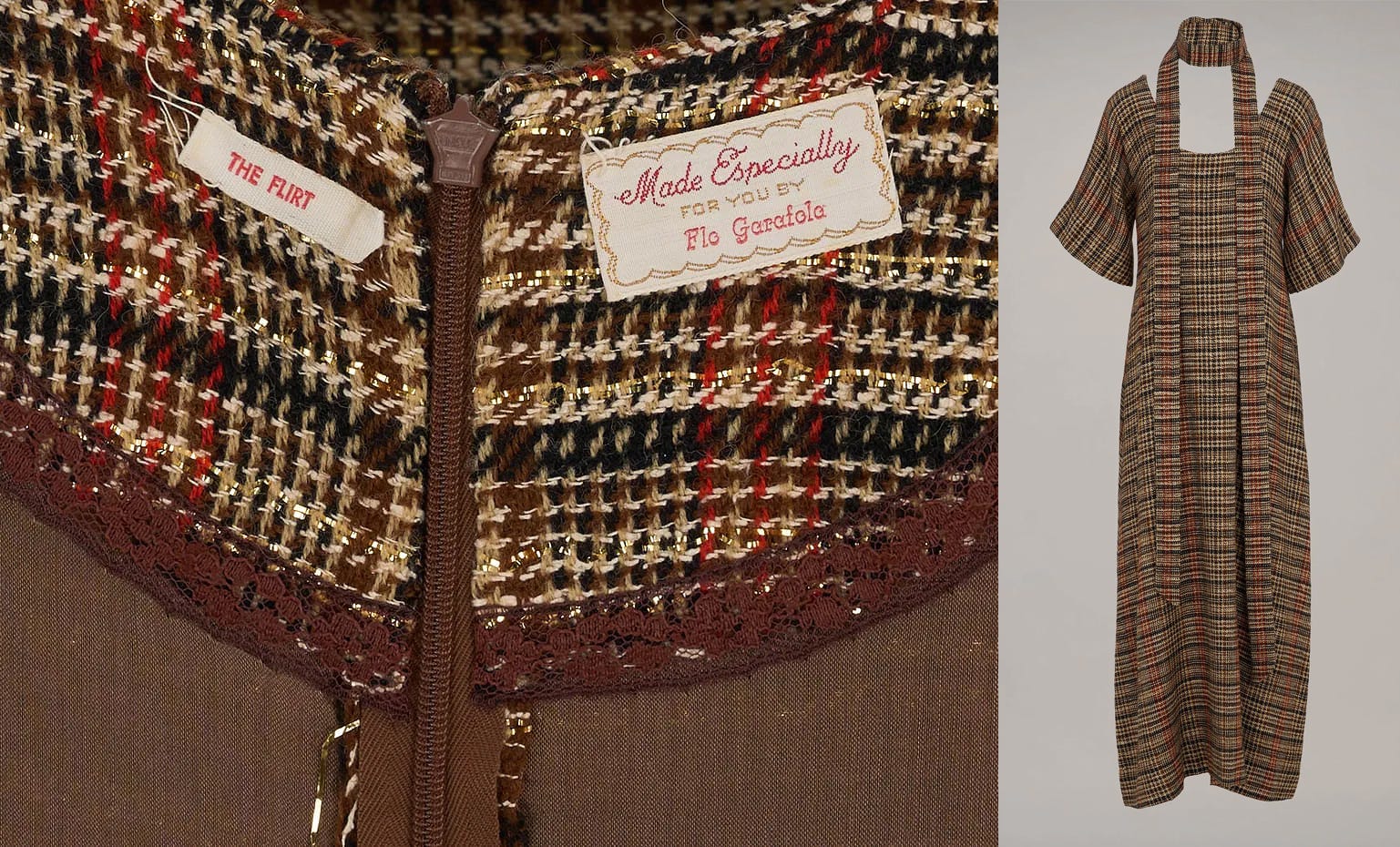
While I couldn’t find anything about “The Flirt” (was it a boutique somewhere?), I was able to find Flo Garafola’s obituary and she seems like quite an amazing woman. A resident of Hollin Hills, the same neighbourhood Flack lived in pre-NYC, Garafola had quite the side business:
In addition to a mother and homemaker, Florence was a fashion designer, seamstress, knitter, and crafter. She created her own clothing line starting with simple wrap skirts, and from there expanded to tops, skirts, culottes, and other hostess wear. Flo did everything - selecting fabrics, creating the designs, sewing, showing, and selling her work. She eventually sold clothes to 15 businesses on the East Coast, including shops in Alexandria, Middleburg, Leesburg, and Georgetown. She loved opera and liked nothing better than to spend an afternoon working on a dress while listening to La Traviata.
Flo was also an accomplished jeweler, a pursuit she took up after working part-time in a local jewelry shop. She created designs using a variety of materials, including sterling silver, semi-precious stones, gold, wood, pottery, brass, and antique beads. She sold her jewelry work at craft fairs and through local shops.
She also collected and sold antiques, having a sharp eye for value and a unique ability to see the potential in an old piece of furniture. She had in her home numerous pieces she had rescued from yard sales and estate sales, which turned out to be beautiful after a little restoration.
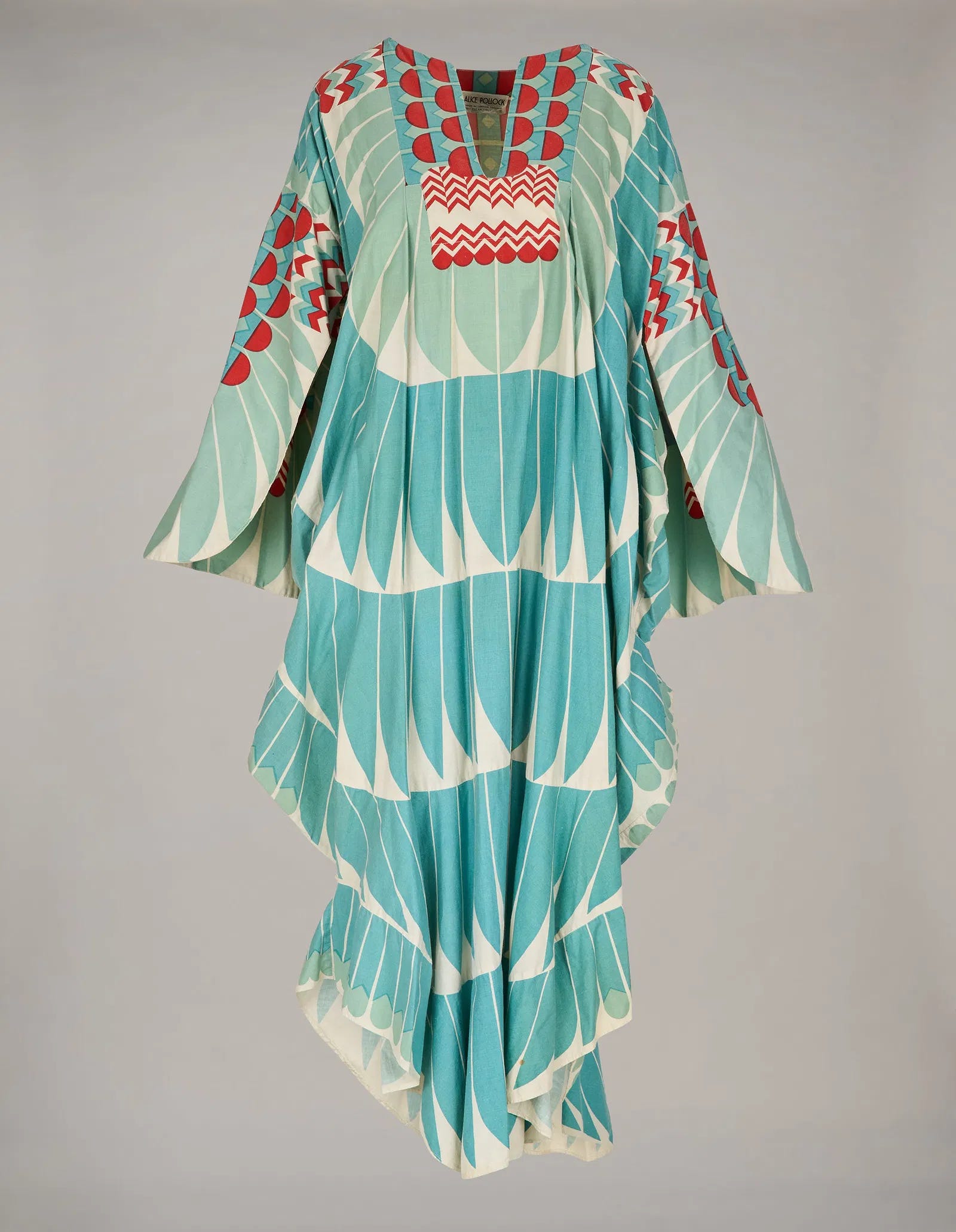
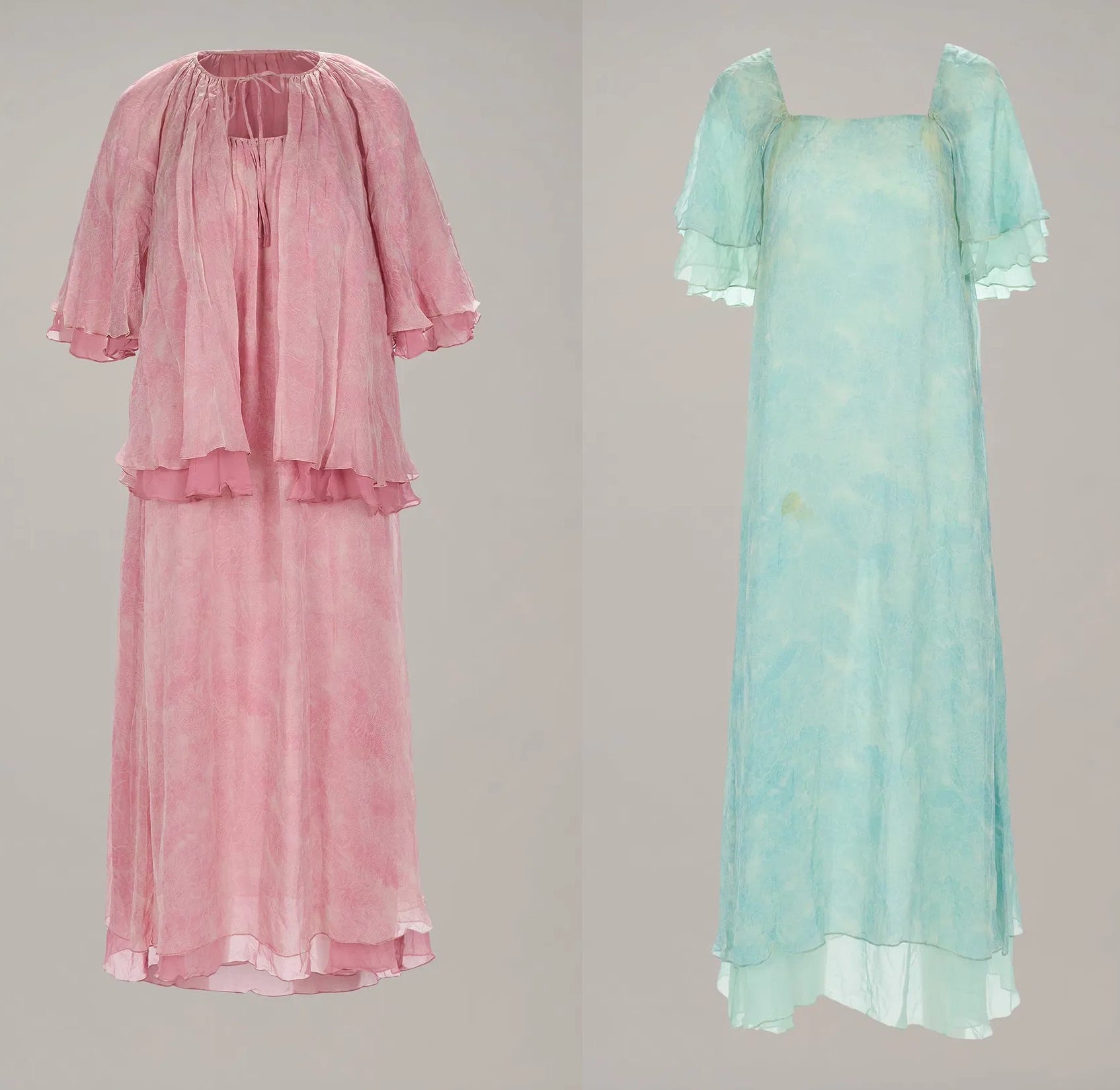
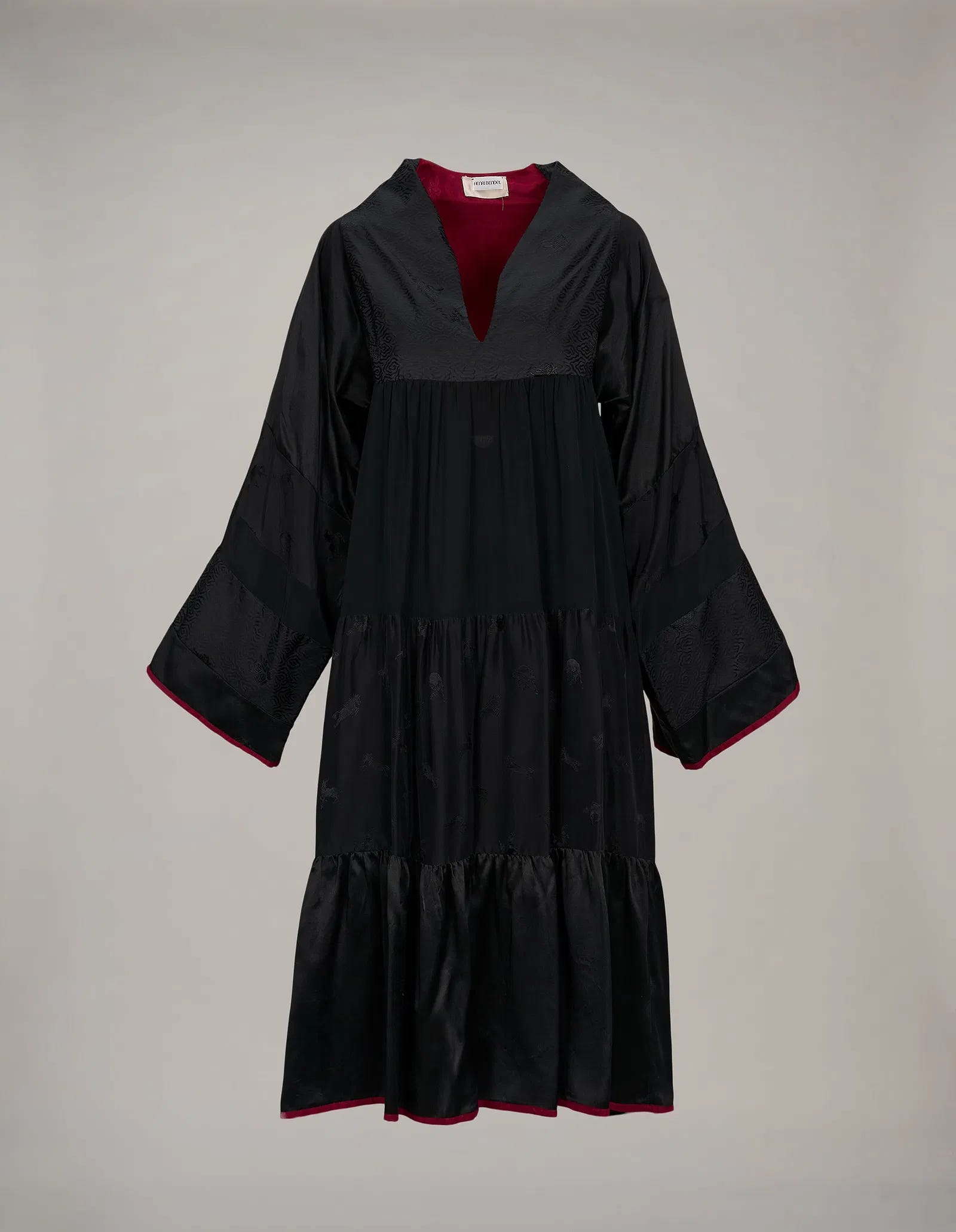
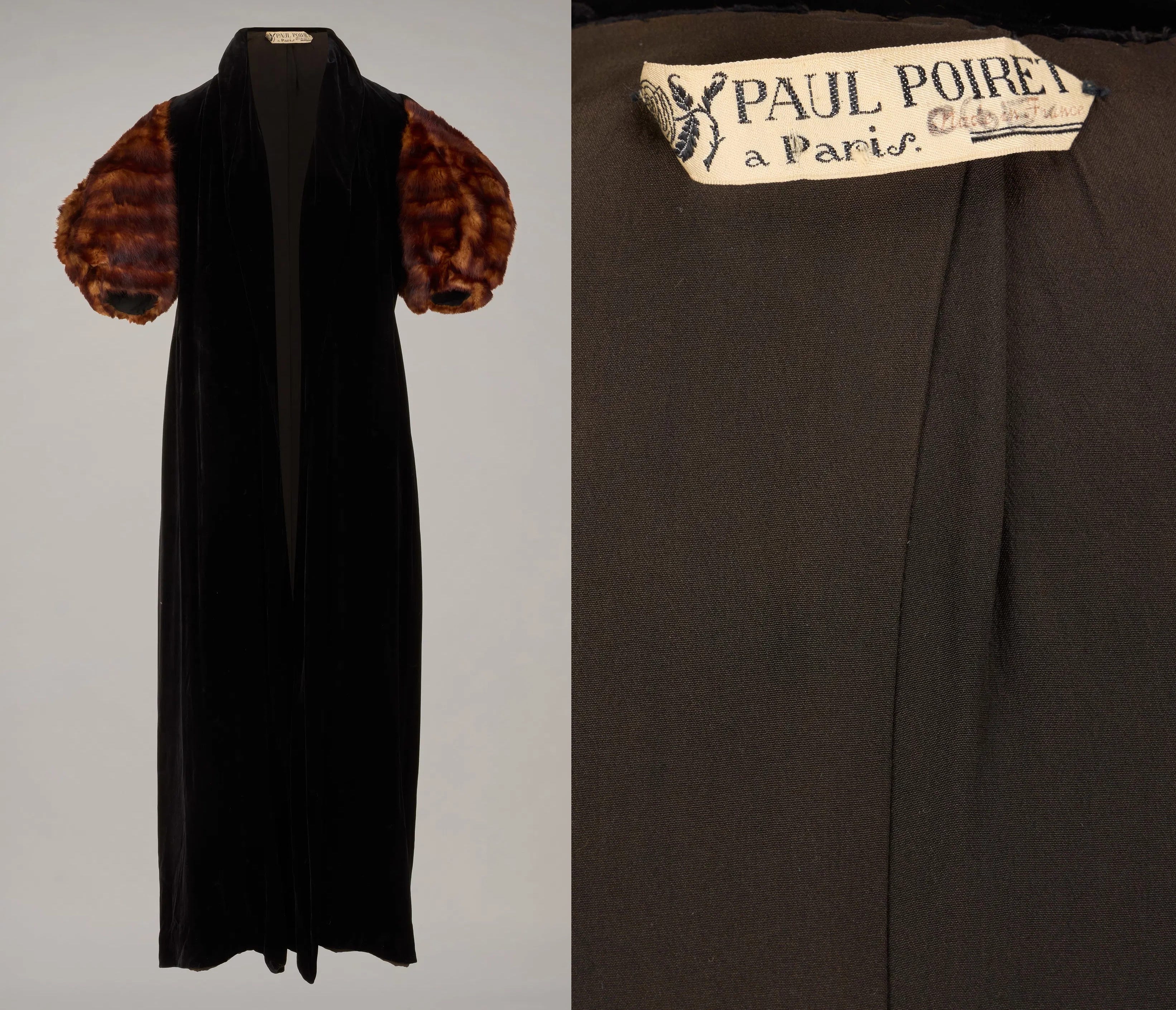
The vintage:
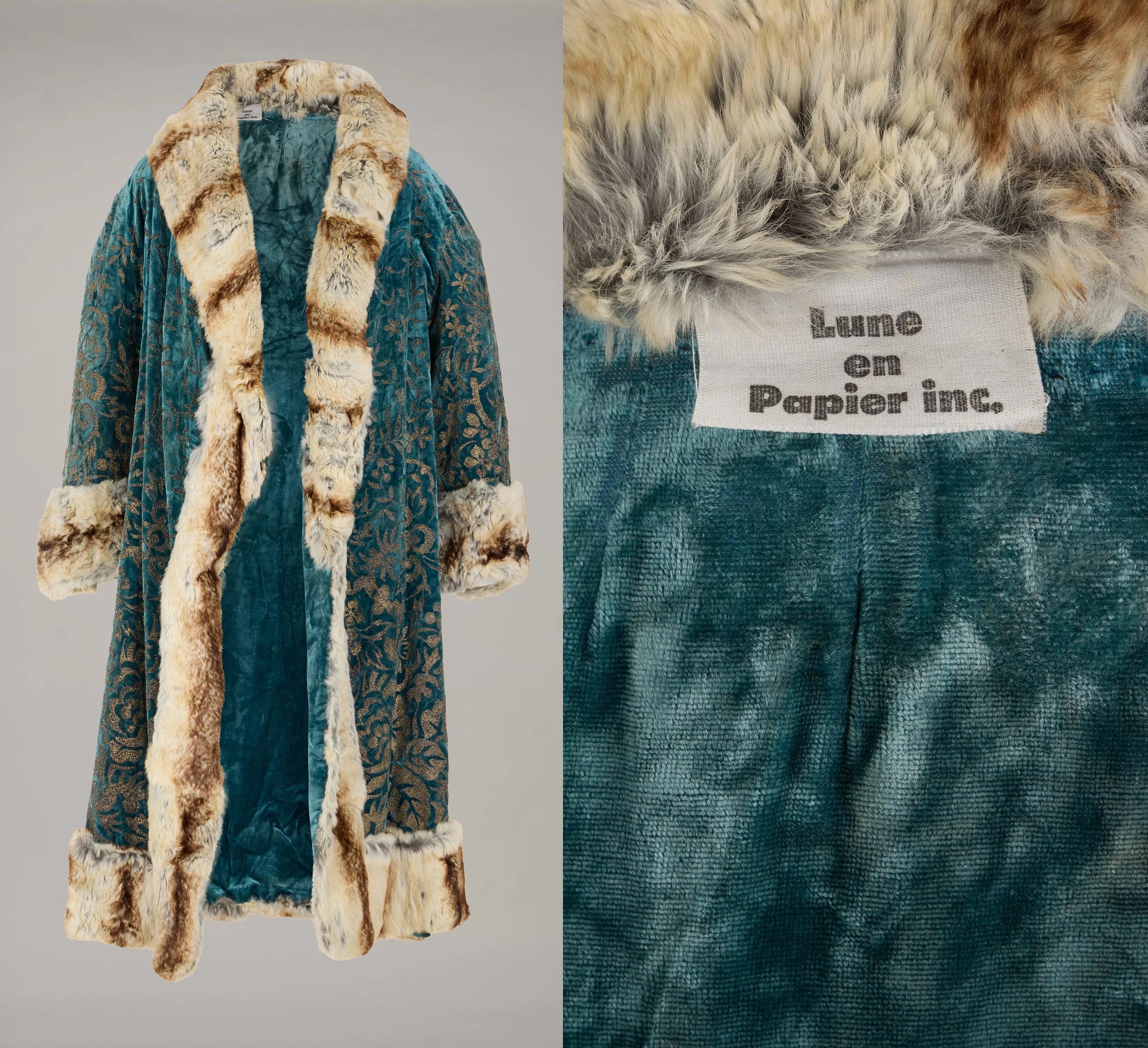
I did some research on Lune en Papier inc. and it was a vintage store opened up on Madison Avenue by former model Tya Scott, who was described as “the first Black woman to own an antique shop on Madison Avenue.” When the New York Times wrote about the store in 1974, the prices were definitely in keeping with its UES location: “A beaded black twenties chemise is $300 here and a group of never-worn Schiaparelli suits from the forties in wool gabardine with padded shoulders are $200 each, but some crépe de chine and cotton dresses cost as little as $15.”
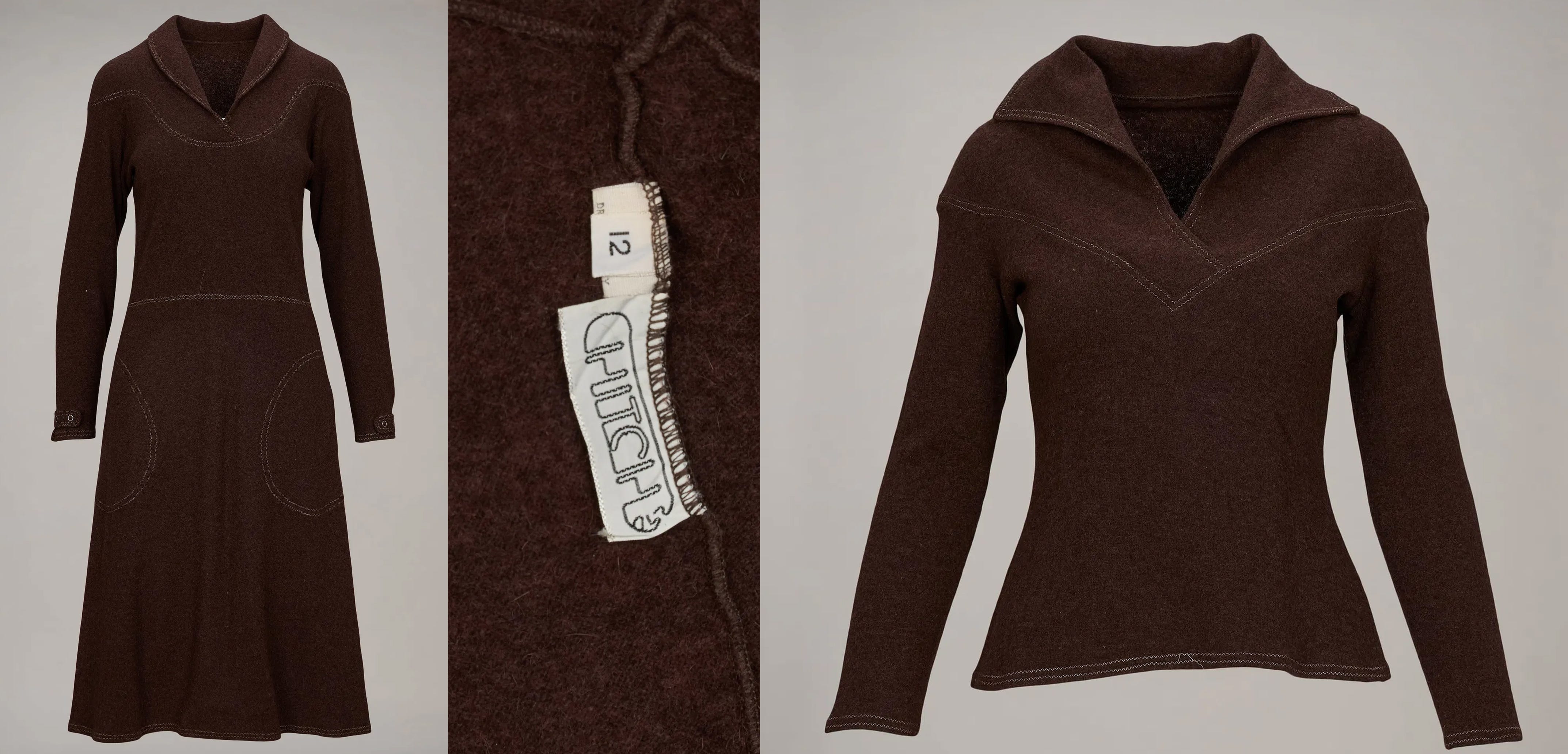
An interesting side note that came up during my research:
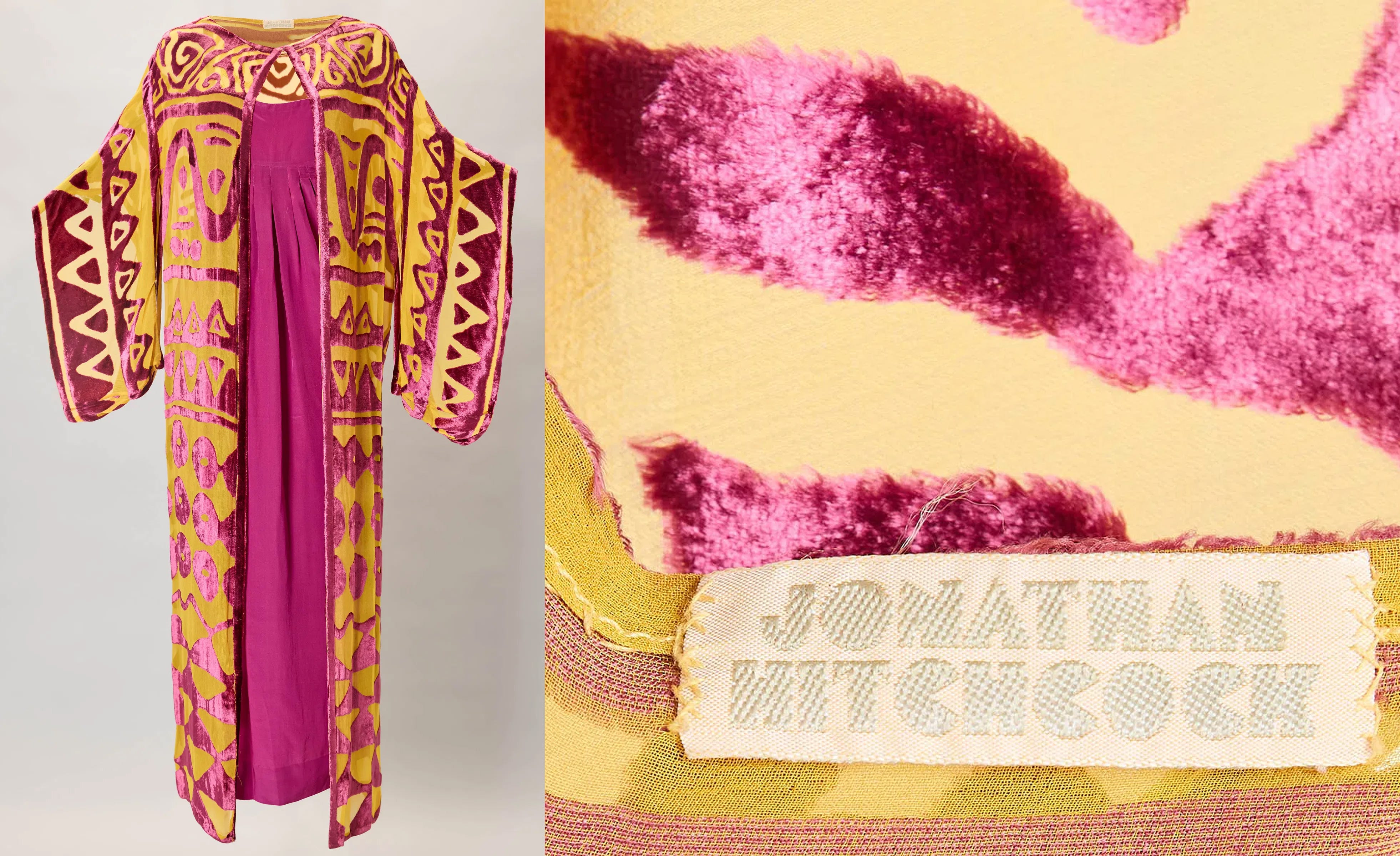
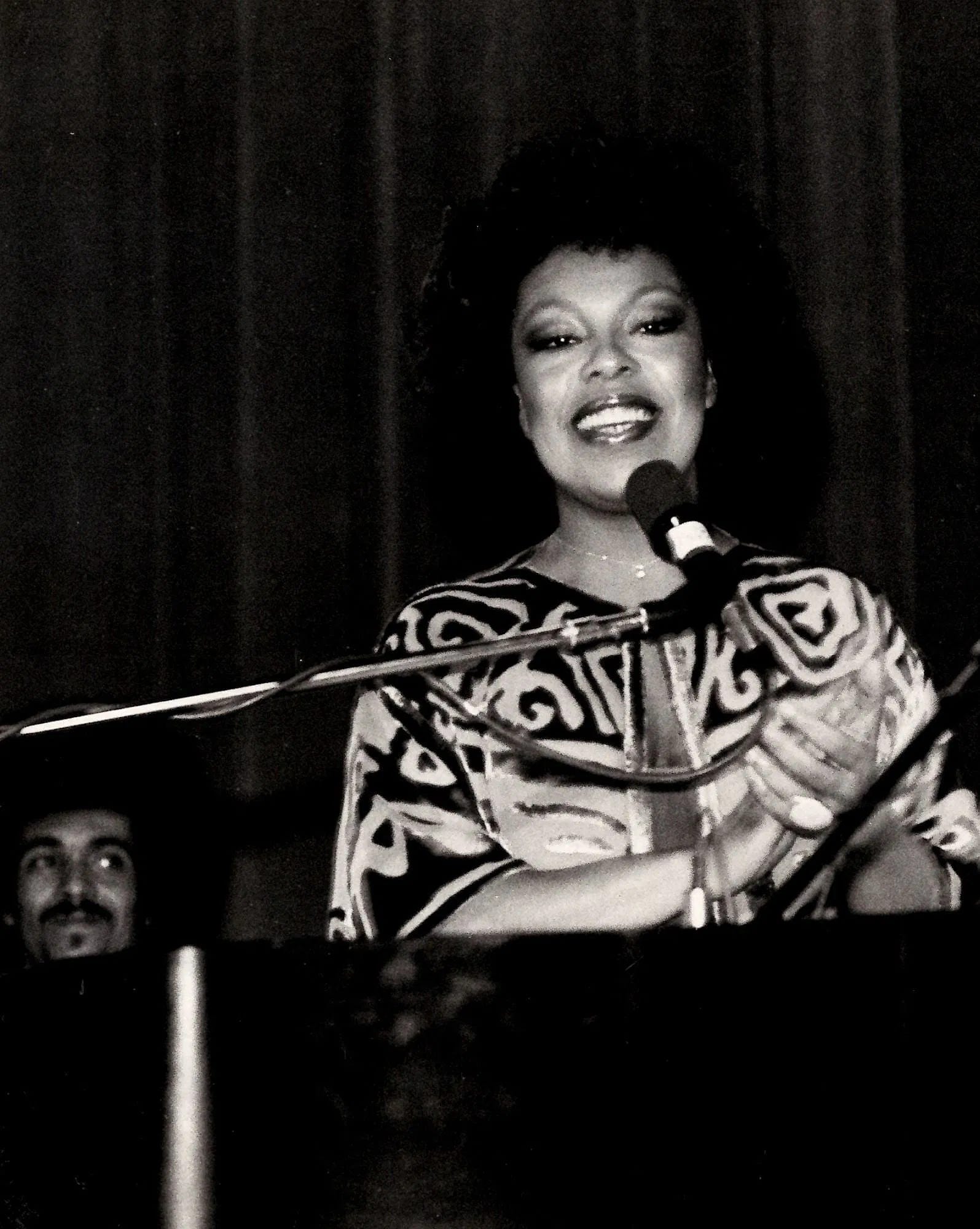
In 1973, designer Jonathan Hitchcock was designing a line for the Kreisler Group. When Kreisler closed it down because “it was too hard to get hold of the fabrics Jonathan likes to work with,” Jonathan launched his own line—Hitch, Ltd.—with backing from Roberta Flack. It’s unclear how long she was involved with the business, but the business appears to have changed its name to “Jonathan Hitchcock” at the beginning of 1975, at the same time it became a Henri Bendel exclusive.
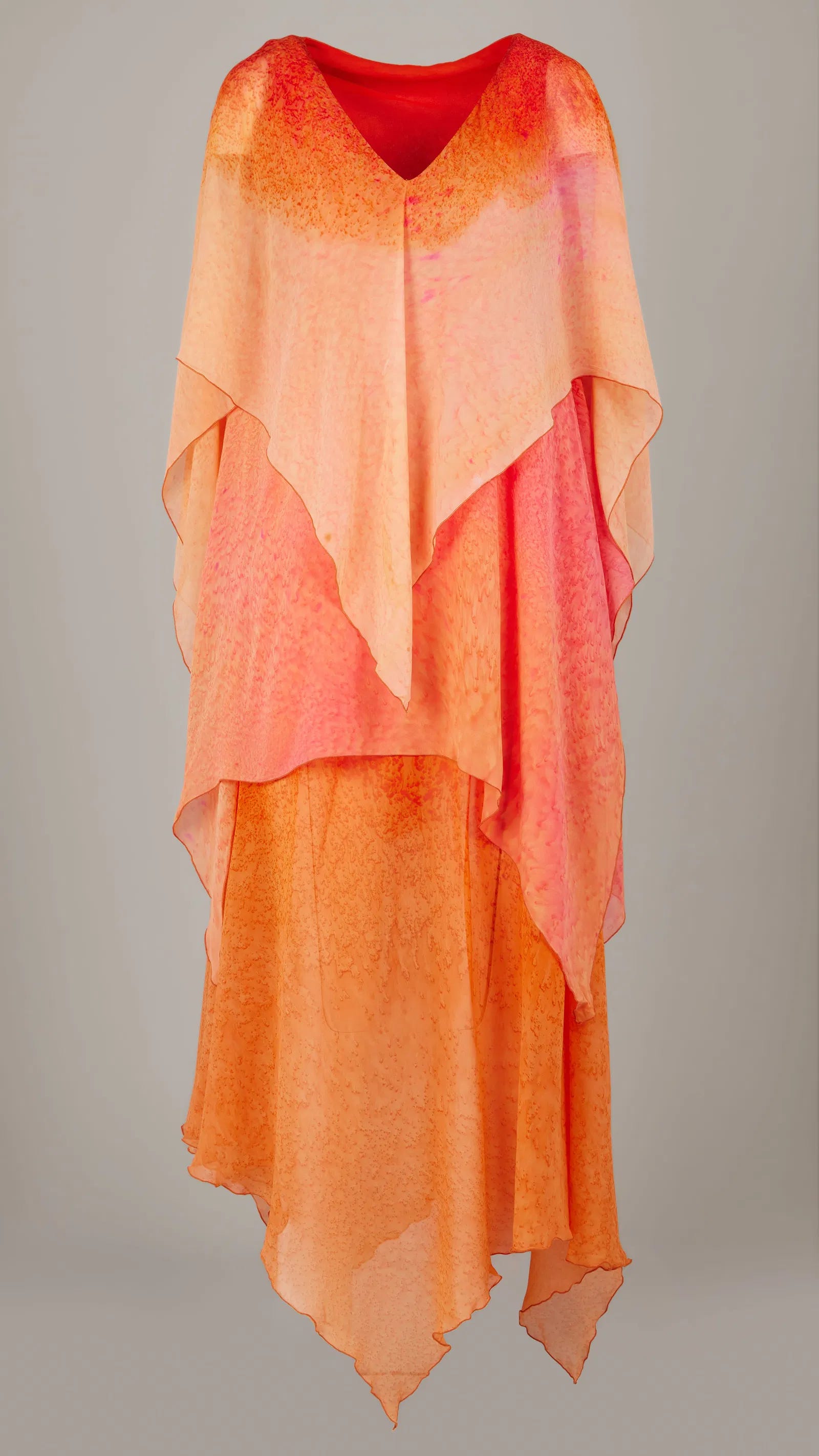
And some more great stage pieces:
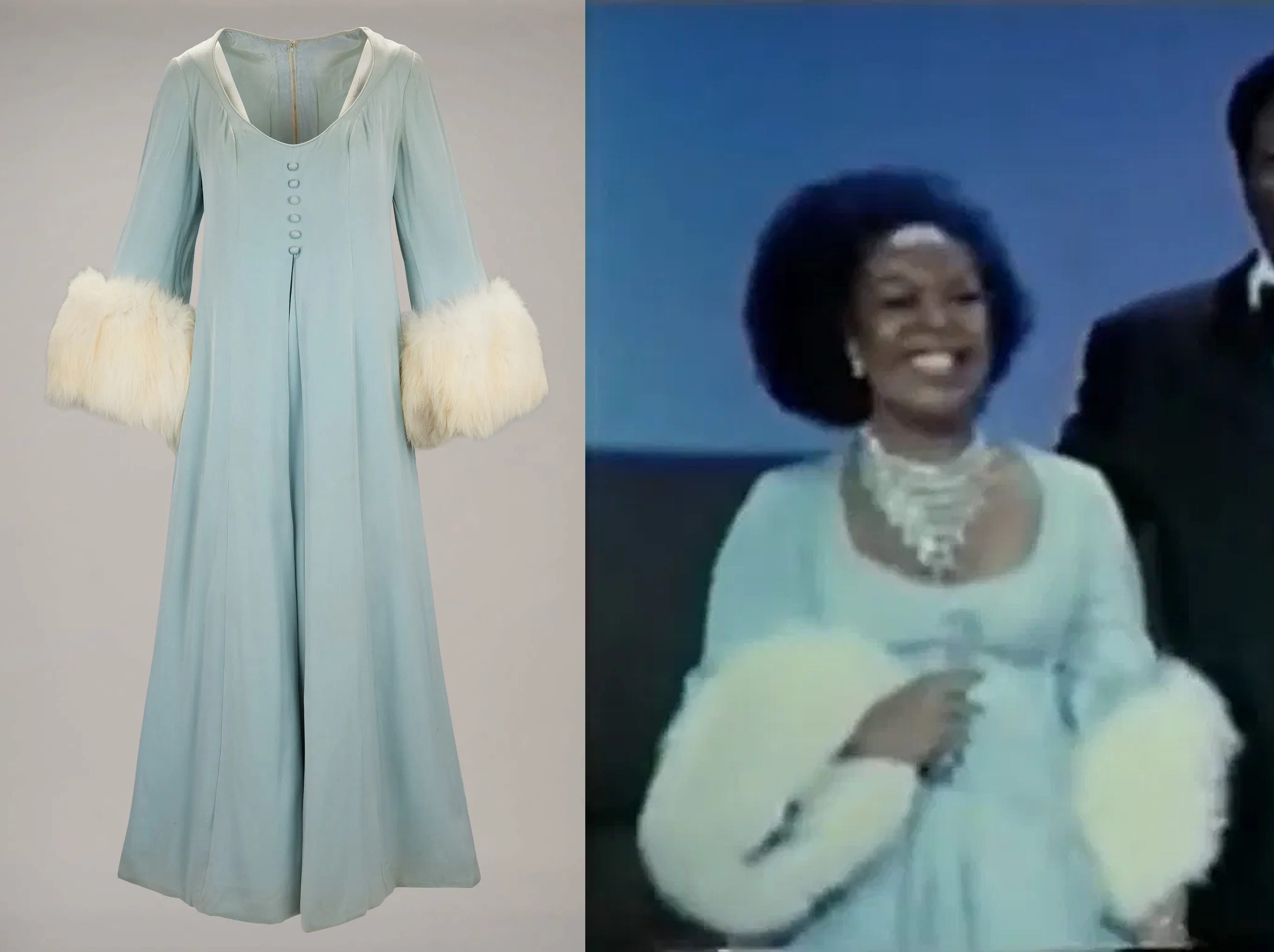
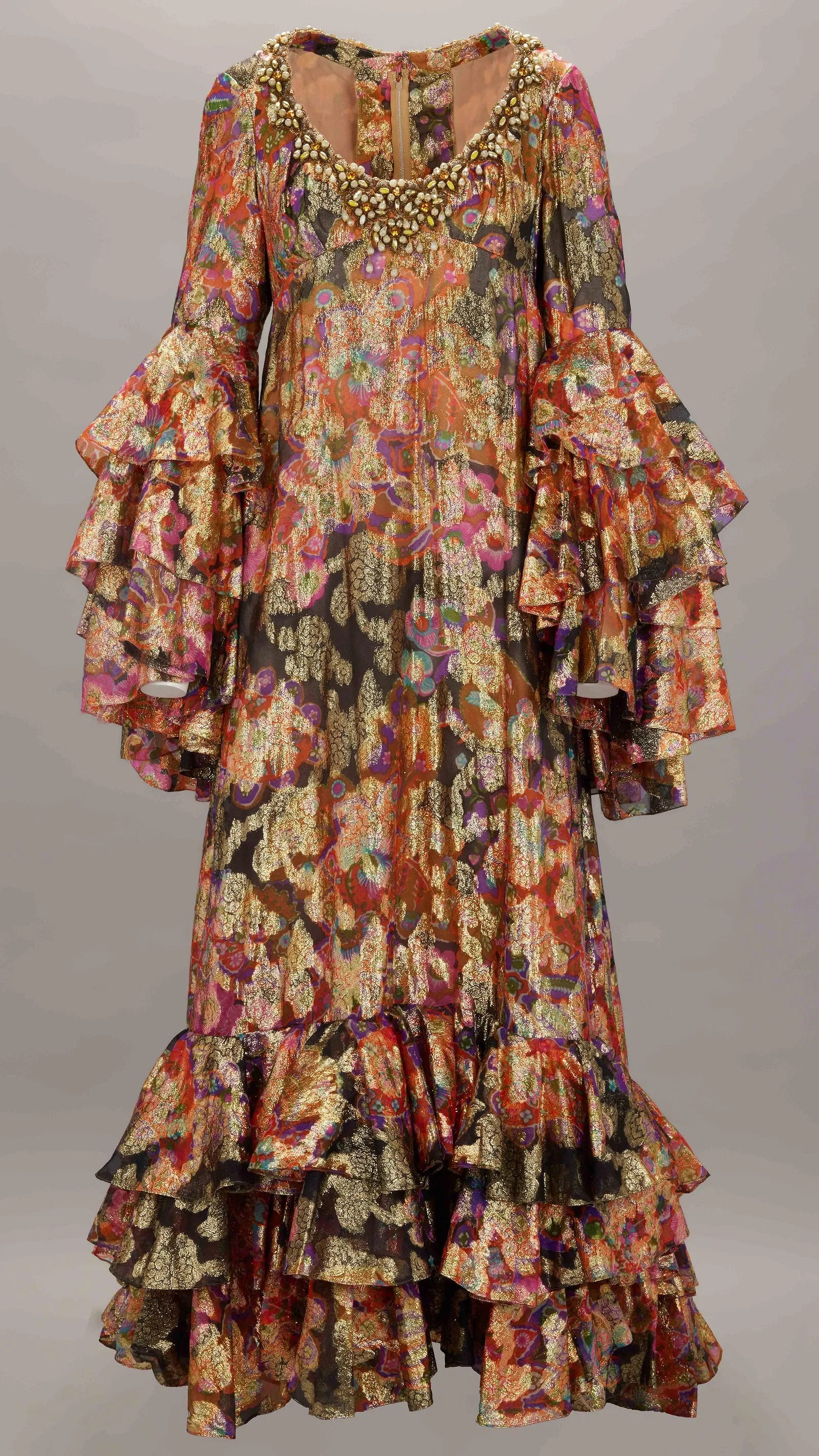
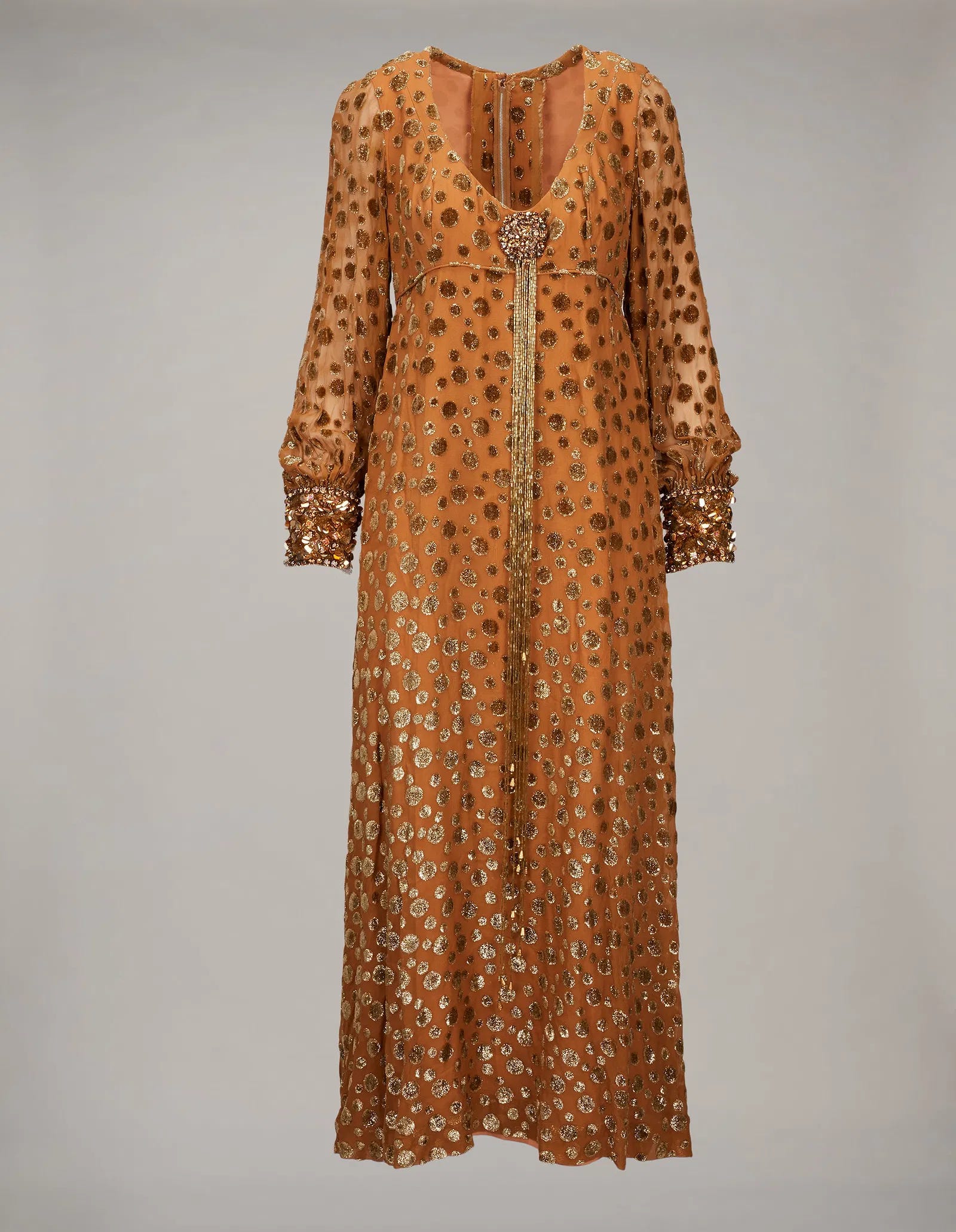
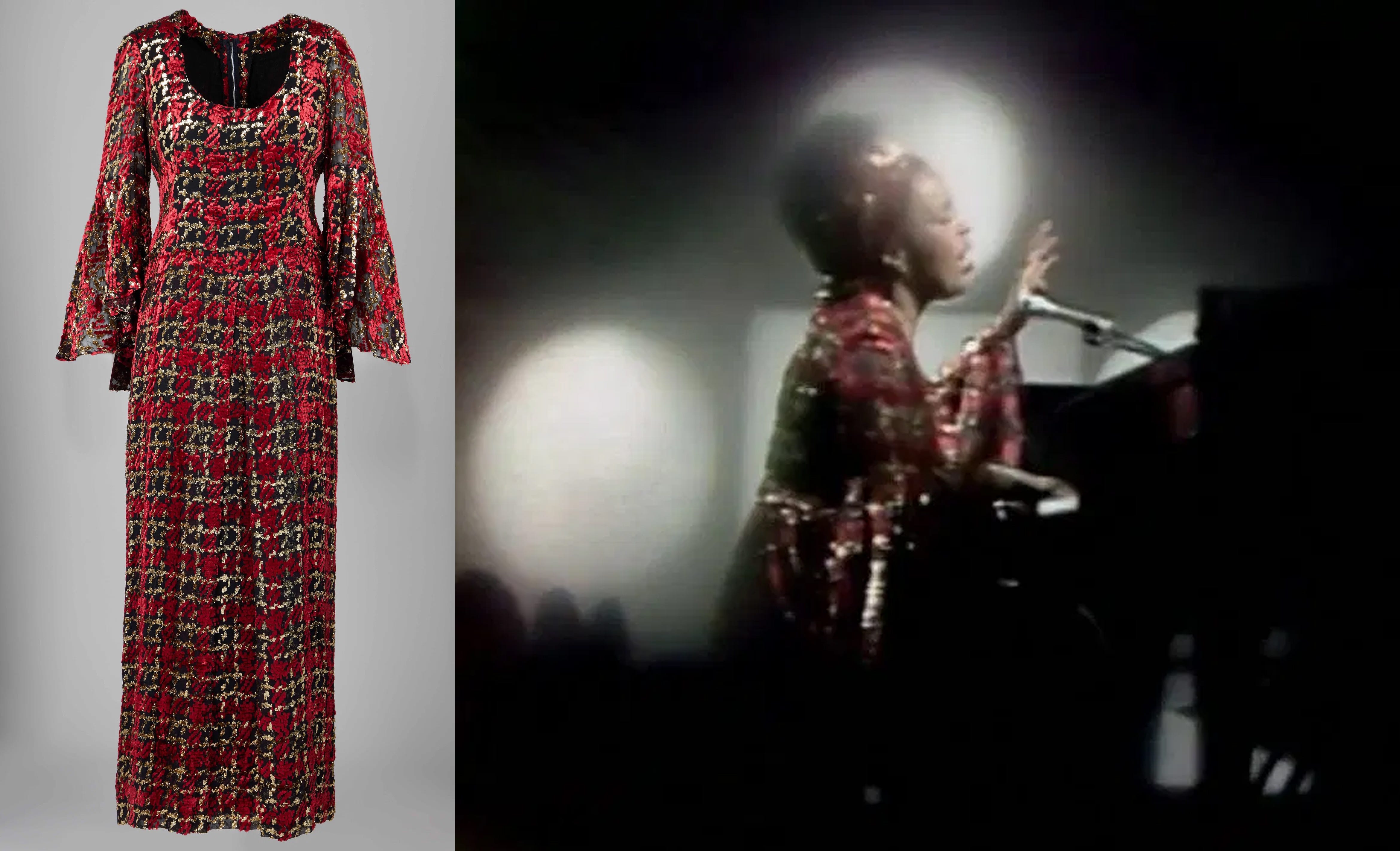
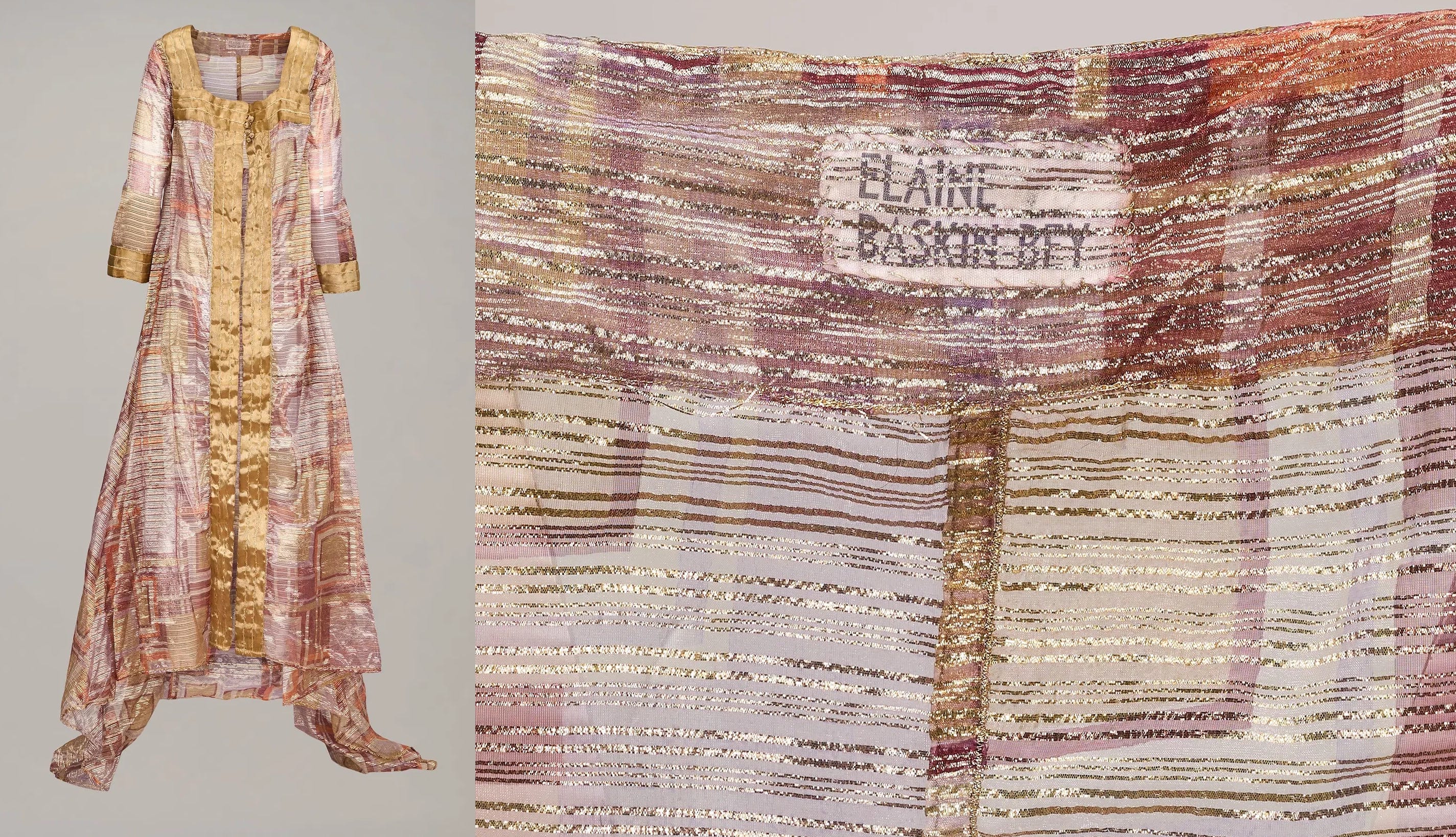
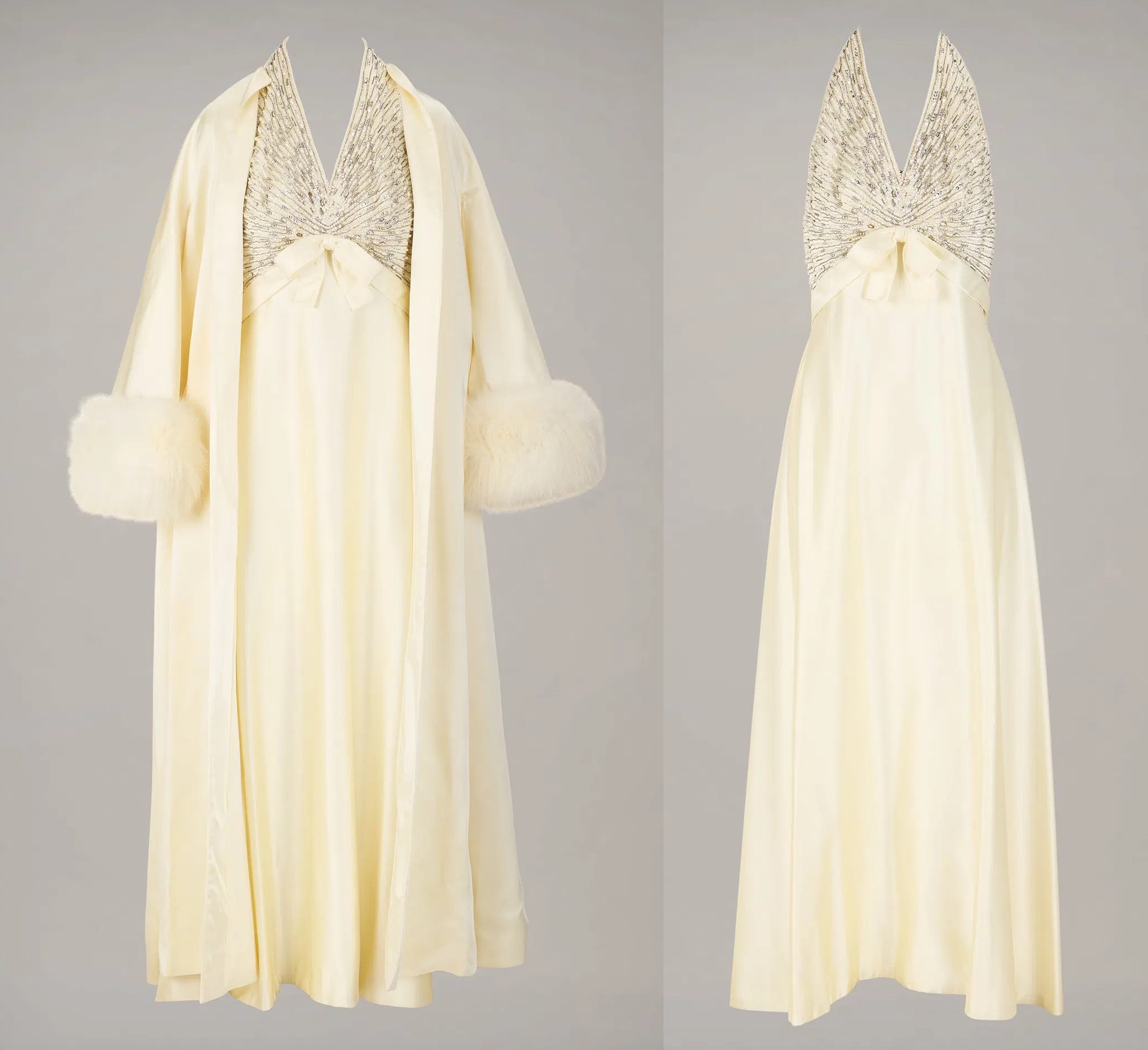
While I have included many pieces here, it is worth noting that this isn’t anywhere near all of even the 1970s garments, let alone the 1980s and beyond. All of the auction lots can be seen on Julien’s Auctions.