
A Conversation with the Antonio Archives
Archiving, Fashion & Glamour

"Just like Benito and Gruau before him, Antonio Lopez has always been an immense inspiration: someone truly able to capture the spirit of his time. Always exhibiting the ability to reinvent or to experiment with his work, he embodies the constant drive of fashion and art to move forward. In an age when so much artistry relies on the computer, he is emblematic of 'true' fashion illustration—the beauty of a hand-drawn line, the flourish and sudden inspiration of color and gesture. To look at Antonio's illustrations is to appreciate the personality that could create such exciting and virtuoso reflections of the world in which he moved and worked—and to yearn to have been part of it all." - Richard Gray
If you have even a passing interest in the 1970s and ‘80s fashion and culture (which I assume you do, if you are here), you will know the work of Antonio Lopez. An acclaimed fashion illustrator, Antonio worked side-by-side with art director Juan Ramos for almost thirty years, with everything they touched influencing fashion and the wider culture. They discovered and made supermodels (Jerry Hall, Pat Cleveland), discovered beauties that became music and cinema icons (Grace Jones, Jessica Lange), and evolved new illustrative and photographic styles. Antonio and Juan injected fashion illustration with sexuality and multiculturalism, sending shockwaves through the fashion industry and helping to broaden our understanding of beauty. It's difficult to state just how important the duo was for redefining beauty standards, but the current celebration of all genders, races, and sexual orientations can be traced directly to the illustrations, photographs, magazine spreads, and other projects that Antonio and Juan created together.
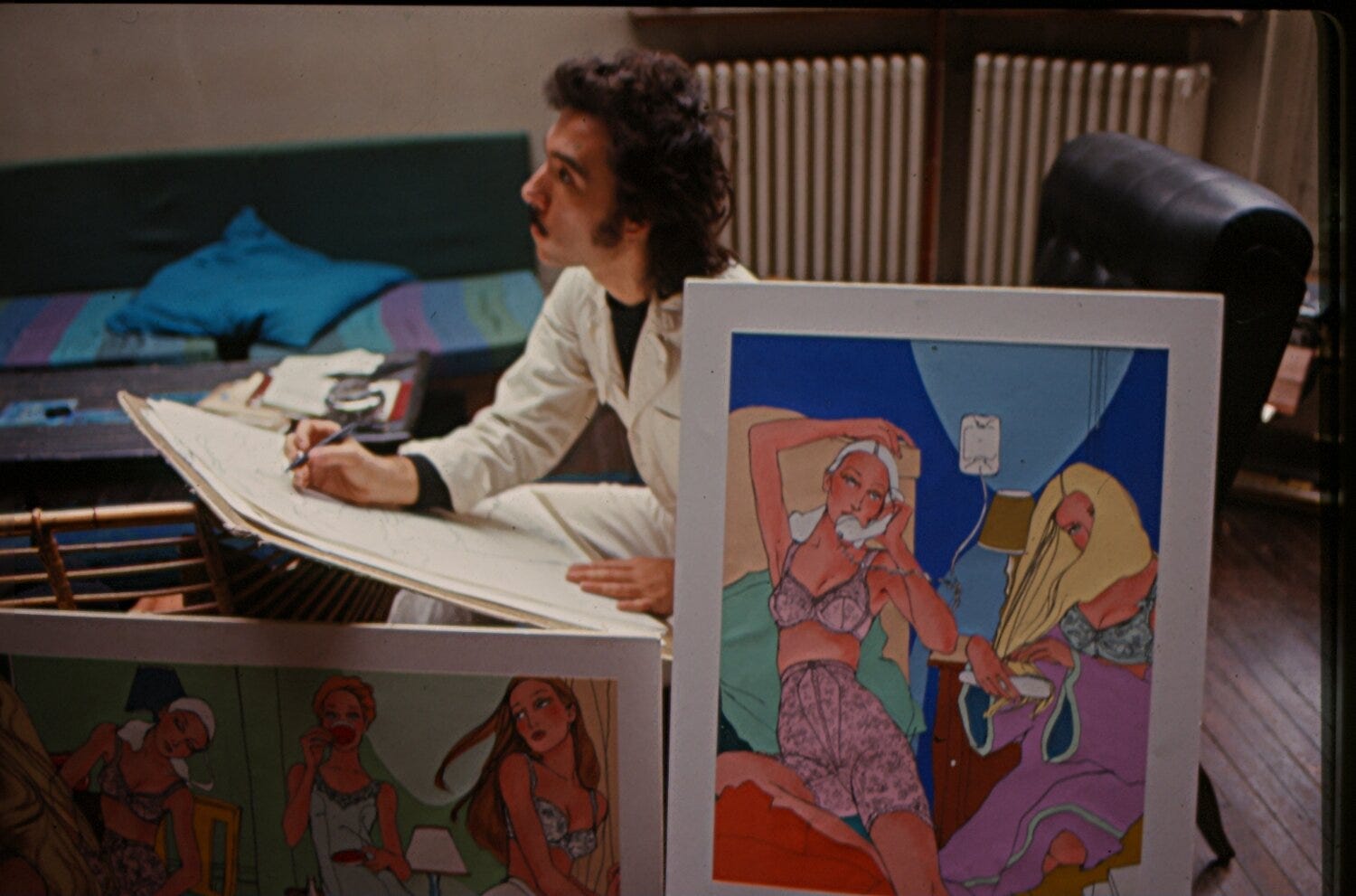
Antonio and Juan both passed away from AIDS-related complications (in 1987 and 1995, respectively), leaving behind an enormous archive of work. Juan’s longtime partner, the painter Paul Caranicas, has maintained the estate—in the last decade working with his niece, Devon Caranicas, to launch the Antonio Archives, a digital-facing aspect of the archive that concentrates on sharing Antonio and Juan’s work and acts as a resource for researchers, curators, educators and more.
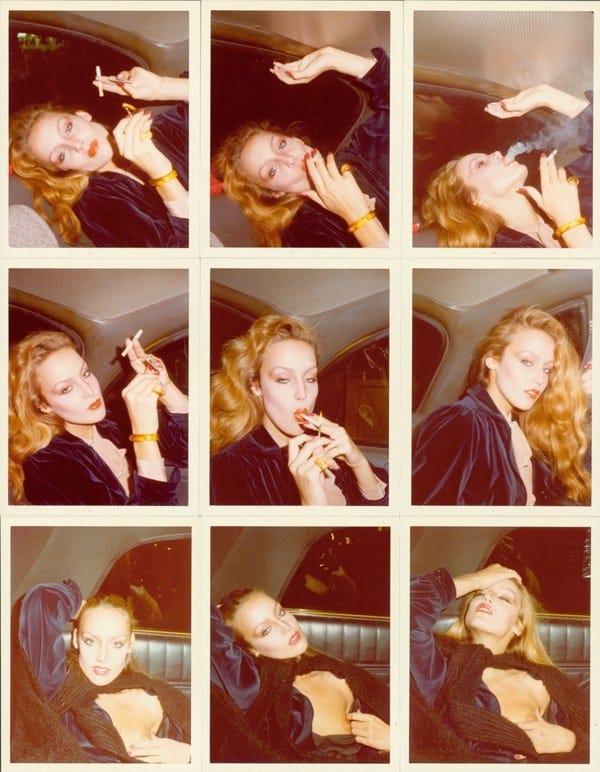
The Caranicases recently collaborated with Daniel Cooney Fine Art on “Kind of a Drag,” an exhibition highlighting the interplay of drag, masculinity, femininity, and gender in their professional and personal work. On view through December 17th, you can learn more about Antonio and Juan’s gender-expanding work in José Criales-Unzueta’s great piece for Vogue.

As a historian, I became acquainted with the sheer volume of amazing work the Archives hold while working on the Bloomingdale’s book—as they were one of Antonio’s main clients, Devon was able to share with me illustrations, photos (of Antonio at work on campaigns, models posing, his work in the windows, the shopping bags he designed, the party Bloomingdale’s hosted for his book launch, etc.), invoices, letters, and more. It’s a remarkable collection and I wanted to learn more about it. With Antonio and Juan’s art the subject of “Kind of a Drag” and numerous other exhibitions over the last decade, and featured in major collaborations with brands like Fendi, I spoke with Devon to learn more about what it is like to run an artist’s estate, the multitudinous items in the archive, how the archive works with brands and curators, and more. For more on artists’ estates, listen to my interview with Rory Trifon of the Estate of Richard Bernstein.
This interview has been lightly edited for length and clarity.
